In Japan, Canadian defense minister expresses interest in GCAP sixth-gen fighter project
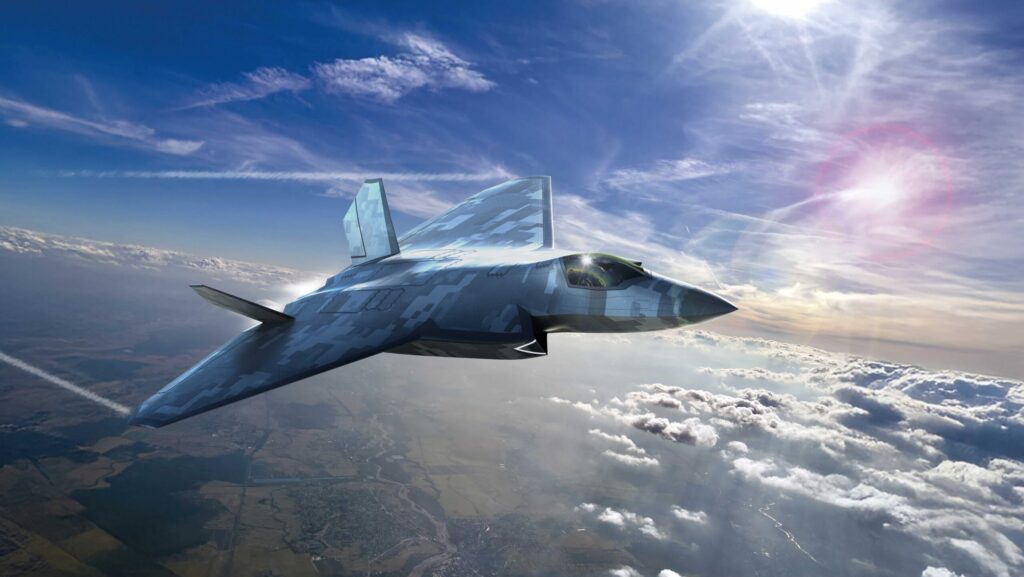
David McGuinty called the Global Combat Air Programme a “promising initiative.”
The statement comes as Western nations are re-evaluating and modernizing their defense capabilities amidst rising global tensions and the ongoing war in Ukraine, driving increased interest in next-generation military technology.
A major G7 nation expressing interest in a non-US led sixth-gen fighter program indicates a potential diversification in defense procurement and a strengthening of alternative defense industrial alliances.
Canada, a key Five Eyes member, signals a potential shift away from exclusive reliance on US defense platforms for its future air combat needs, potentially boosting the GCAP project's global standing and market attractiveness.
- · GCAP participant nations (Japan, UK, Italy)
- · European defense industrial base
- · Canada (potential access to cutting-edge tech)
- · NATO (increased interoperability options)
- · US defense contractors (potential lost sales)
- · FCAS SCAF program (increased competition)
- · Russia/China (Western technological advantage)
Canada's formal engagement with GCAP would provide significant financial and political impetus to the program.
This could encourage other allied nations to consider participating in non-US led defense technology initiatives, fostering greater multilateral collaboration.
Increased competition among sixth-generation fighter programs might accelerate technological development and reduce per-unit costs through economies of scale, benefiting Western alliances overall.
This signal links to a primary source. Continuum Brief monitors and indexes it as part of the live intelligence stream — we do not republish source content.
Read at Breaking Defense