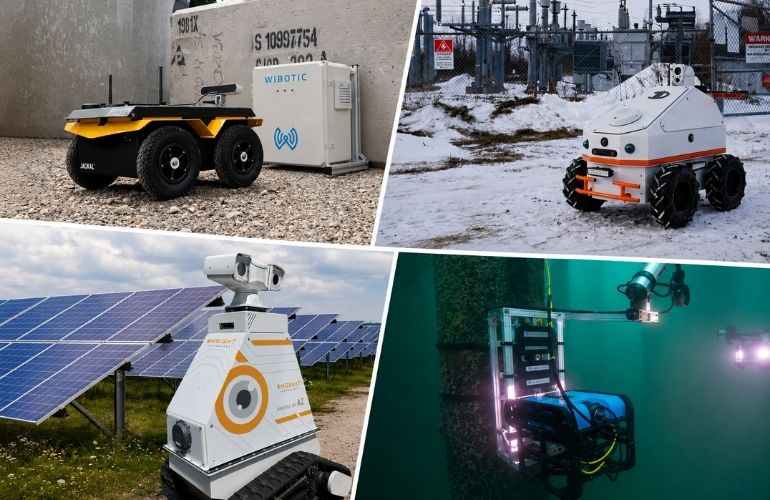
As autonomy moves beyond controlled environments, ruggedized design is becoming a prerequisite for reliable robotic operations. The post In Robotics, Ruggedization Is No Longer Optional appeared first on The Robot Report .
As robotic autonomy expands into more diverse and less controlled operational environments, the functional demand for physical resilience becomes a foundational design requirement.
Sophisticated readers should care because the necessity of ruggedization indicates a maturation of the robotics industry, moving from specialized, controlled applications to widespread, real-world deployment across various sectors.
The focus for robotic development shifts from purely functional autonomy to include physical durability as a non-negotiable prerequisite, influencing design, material science, and manufacturing processes.
- · Robotics manufacturers specializing in rugged designs
- · Construction and heavy industry sectors adopting robotics
- · Material science companies developing durable components
- · Robot maintenance and repair services
- · Manufacturers of fragile, non-industrial robots
- · Companies relying on robotics exclusively in controlled environments
- · Early-stage robotics startups without ruggedization expertise
Increased investment in materials science and engineering for robotics.
Accelerated adoption of robotics in sectors previously constrained by environmental fragility.
The development of standardized ruggedness certifications and testing protocols for robotic systems.
This signal links to a primary source. Continuum Brief monitors and indexes it as part of the live intelligence stream — we do not republish source content.
Read at The Robot Report