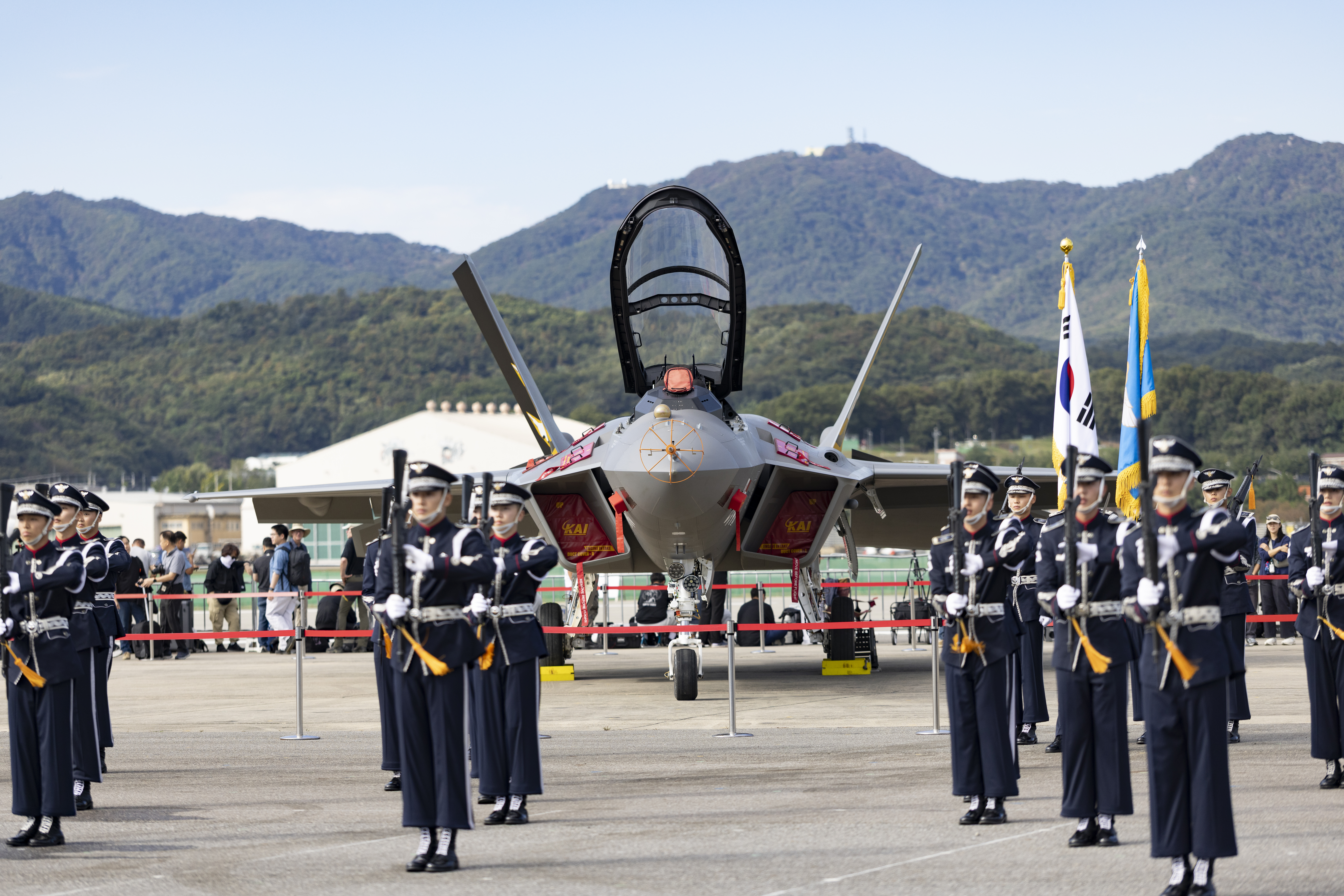
Officials in Jakarta are also considering fighter options other than the South Korean-made jets.
Indonesia is re-evaluating its defense procurement strategy due to evolving geopolitical considerations and potentially cost-benefit analyses of co-production vs. direct acquisition.
This indicates a recalibration of strategic alliances and defense industrial base development in a key Southeast Asian nation, impacting regional power balances and arms markets.
Indonesia is moving away from a long-term co-development program with South Korea towards potentially acquiring existing warplane stock, signaling a more immediate and flexible defense procurement approach.
- · Defense contractors with readily available warplane stock
- · Nations with excess fighter jet capacity
- · Indonesian military (potentially faster modernization)
- · South Korea (KF-21 program)
- · Indonesian defense industrial base (loss of co-production experience)
Indonesia will likely pursue procurement of existing fighter jets from other international suppliers, possibly enhancing its air force capabilities sooner.
This decision could influence other nations considering co-production agreements, leading them to reassess domestic industrial benefits versus immediate acquisition.
Increased competition among global fighter jet manufacturers for the Indonesian market could lead to more aggressive pricing and offset packages.
This signal links to a primary source. Continuum Brief monitors and indexes it as part of the live intelligence stream — we do not republish source content.
Read at Defense News