Industry coalition urges Trump administration to take urgent action as AI data centers' extreme memory consumption threatens other industries — AI-driven memory chip shortage could raise prices in automotive, medical, telecommunications sectors
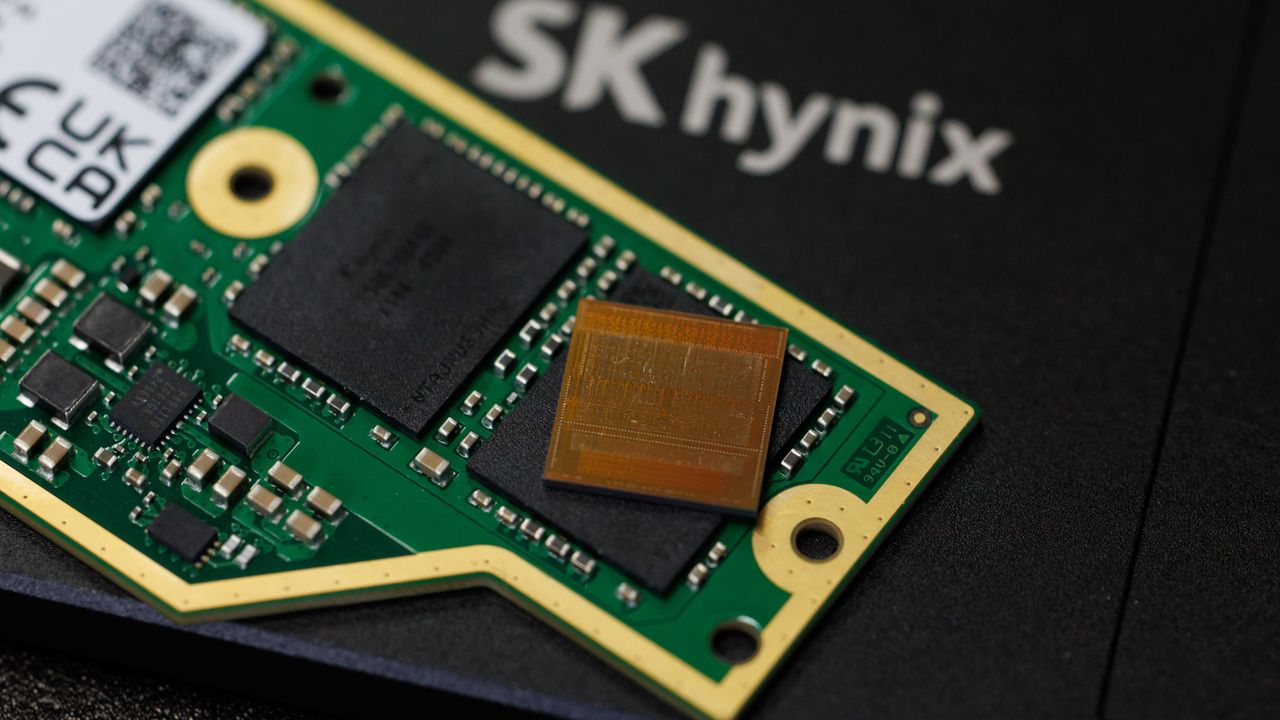
A coalition of nine U.S. trade associations has urged the Trump administration to address an AI-driven memory chip shortage, warning that soaring DRAM prices and constrained supply could raise costs for consumer electronics, automobiles, medical devices, and broadband infrastructure while disrupting supply chains through at least 2027.
The accelerating growth of AI data centers has reached a critical point where its demand for high-bandwidth memory (HBM) is directly impacting the supply and cost structures of other foundational industries.
This development highlights the binding constraint of memory in the AI buildout and signals a broader resource re-allocation that will affect multiple sectors, potentially delaying industrial digital transformation.
The competition for memory chips is no longer limited to high-tech sectors but is now spilling over into established industries like automotive and medical, indicating a structural shift in the compute supply chain dynamics.
- · Memory chip manufacturers
- · AI data center operators via market consolidation
- · Hyperscalers with preferential supply agreements
- · Automotive industry
- · Medical device manufacturers
- · Telecommunications sector
- · Consumer electronics manufacturers
Memory chip prices for non-AI applications surge, leading to increased production costs and potential product delays across multiple industries.
Governments may intervene with industrial policy or subsidies to prioritize memory allocation for critical sectors like defense or healthcare, leading to further market distortion.
The escalating cost and scarcity of memory could spur innovation in memory-efficient AI architectures or alternative computing paradigms to reduce reliance on traditional DRAM.
This signal links to a primary source. Continuum Brief monitors and indexes it as part of the live intelligence stream — we do not republish source content.
Read at Tom's Hardware