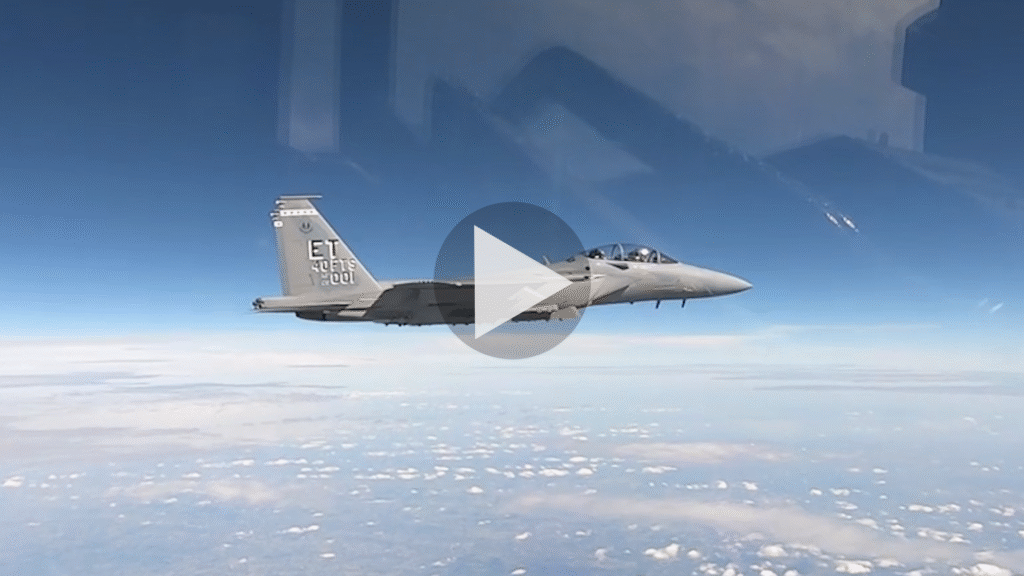
North Carolina Sen. Ted Budd explains why he recently introduced three bills intended to boost US fighter inventory and improving pilot retention.
The US Congress is actively addressing perceived weaknesses in military readiness and personnel levels amidst rising geopolitical tensions and competition.
This initiative reflects a concerted effort by legislative bodies to directly intervene in and strengthen the US defense industrial base and personnel strategy, impacting future military capabilities and spending.
There is a renewed legislative focus on recapitalizing airpower and improving pilot retention, indicating a shift towards more direct congressional engagement in defense strategy beyond mere oversight.
- · US Air Force
- · Defense aerospace manufacturers
- · Military personnel recruitment and retention programs
- · Budget allocations for other defense priorities (potentially)
- · Rival nations reliant on US defense stagnation
Increased funding and policy support for US Air Force modernization and pilot incentives.
Potential for an accelerated arms race in air capabilities as other nations respond to US rearmament.
Long-term geopolitical shifts due to a strengthened US air dominance, influencing alliance structures and regional power balances.
This signal links to a primary source. Continuum Brief monitors and indexes it as part of the live intelligence stream — we do not republish source content.
Read at Breaking Defense