Intel kicks off development on next-decade 10A and 7A process technologies — 14A node remains on track for critical October PDK release
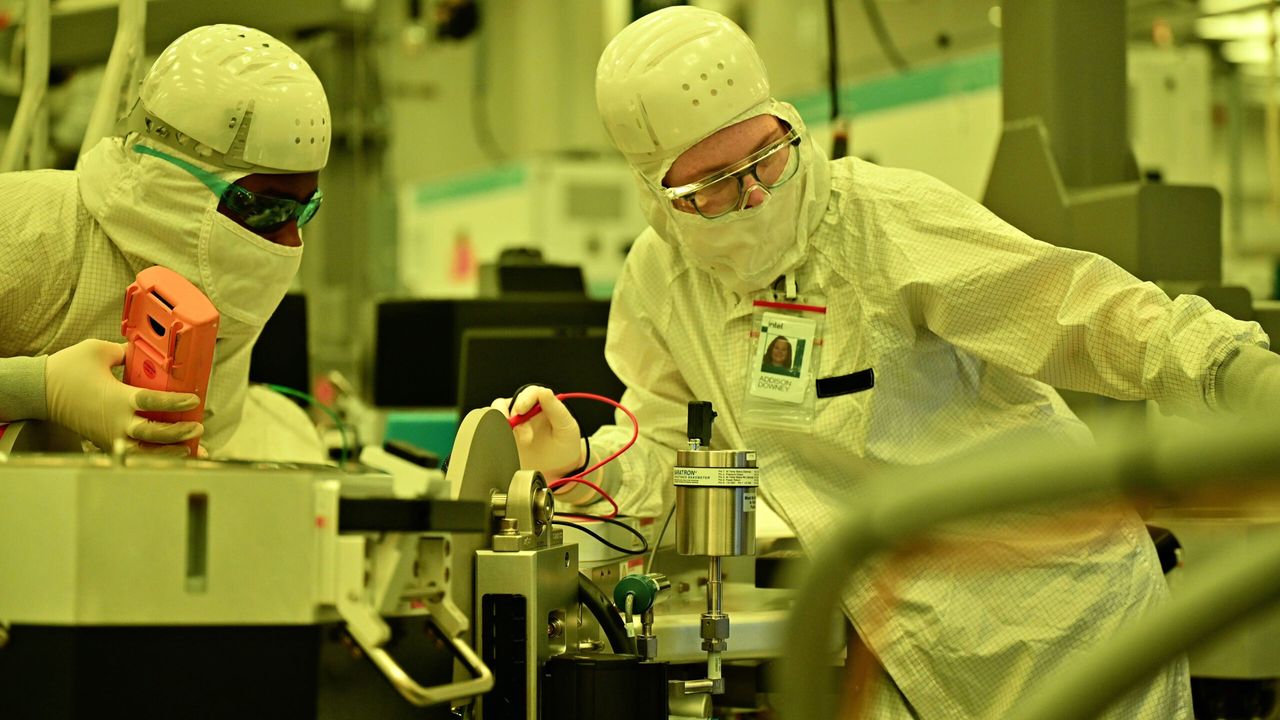
Intel says its 14A process technology is on track for high-volume manufacturing in 2029, 10A and 7A to follow in the 2030s.
Intel is providing an update on its long-term process technology roadmap, extending beyond current nodes to 2030s technologies, signaling renewed ambition and competition in advanced manufacturing.
This indicates Intel's commitment to regaining process leadership and ensuring vital domestic semiconductor manufacturing capacity in the US and Europe into the next decade, crucial for national security and economic independence.
Intel's clear articulation of its post-14A roadmap suggests a more competitive landscape for leading-edge foundry services and an accelerated timeline for next-generation computing capabilities.
- · Intel
- · US semiconductor industry
- · High-performance computing
- · AI infrastructure
- · Competitors reliant on older process technologies for market differentiation
- · Regions lacking advanced foundry capabilities
Intel secures long-term contracts and market share in advanced chip manufacturing.
Increased competition drives further innovation and potentially lower costs for leading-edge silicon across the industry.
The acceleration of advanced process nodes might enable entirely new computing paradigms and applications previously constrained by hardware limitations.
This signal links to a primary source. Continuum Brief monitors and indexes it as part of the live intelligence stream — we do not republish source content.
Read at Tom's Hardware