Intel says 'something has to give' with memory prices — company says it 'will continue to make sure that there are products which can take care of older memory technologies'
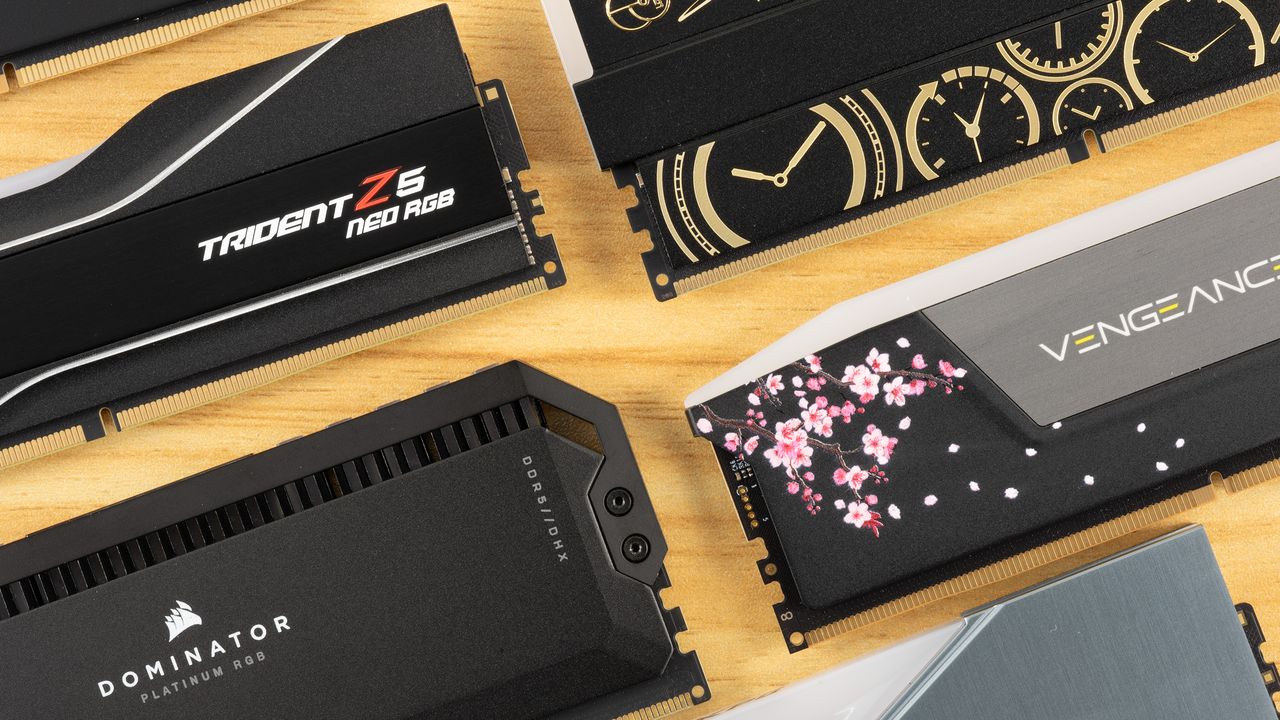
Intel sat down with Tom's Hardware at Computex 2026, and the company says it recognizes the importance of Raptor Lake and DDR4 platforms as the memory crunch continues.
The ongoing 'memory crunch' and discussions at Computex 2026 highlight current supply chain pressures and Intel's adaptive strategy.
Intel's commitment to supporting older memory technologies indicates a pragmatic response to market conditions, ensuring continuity for various computing segments amidst supply constraints.
Intel's explicit support for older memory technologies suggests a potential delay in the full transition to newer standards, impacting cost structures and upgrade cycles for consumers and enterprises.
- · Consumers seeking more affordable upgrades
- · Businesses with legacy infrastructure
- · DDR4 manufacturers
- · Intel (customer retention)
- · DDR5 early adopters
- · Manufacturers of exclusively new memory technologies
- · Those anticipating rapid technology transitions
Memory prices for older technologies may stabilize or decline slower than expected, extending their market relevance.
This could affect the pace of next-generation hardware adoption, as the cost-benefit analysis for upgrades shifts.
Long-term, this pragmatic approach by a key industry player might encourage more diversified hardware development strategies across the compute supply chain, reducing reliance on single-point technology advancements.
This signal links to a primary source. Continuum Brief monitors and indexes it as part of the live intelligence stream — we do not republish source content.
Read at Tom's Hardware