Interview: Parallel Systems CEO Matt Soule on building ‘the world’s first autonomous freight rail system’
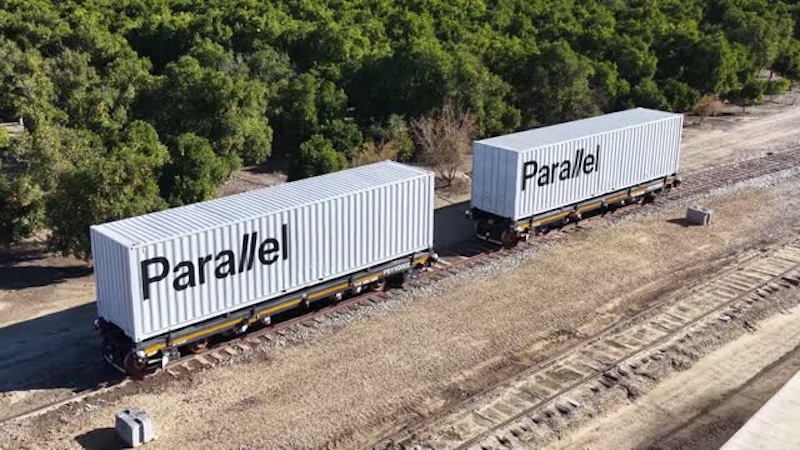
Autonomous trucks have dominated discussion around the future of freight transportation for much of the past decade, attracting billions of dollars in investment and extensive media attention. Yet another mode of transport – freight rail – is quietly undergoing its own transformation. Matt Soule, founder and CEO of Parallel Systems, believes autonomous rail could become […]
The technological advancements in AI and automation, coupled with increasing demand for efficient logistics, are driving innovation in freight transportation, extending beyond road to rail.
Autonomous freight rail could significantly reduce costs, increase efficiency, and address labor shortages in the logistics sector, impacting supply chains and industrial operations.
The focus of freight automation is expanding from autonomous trucks to autonomous rail, potentially opening up a new competitive frontier in logistics and shifting investment flows.
- · Parallel Systems
- · Logistics technology providers
- · Rail infrastructure companies
- · E-commerce industry
- · Traditional freight rail operators (without automation adoption)
- · Some trucking sectors
- · Rail labor unions (long-term)
Autonomous freight rail could lead to more efficient and cheaper long-haul transportation for goods.
Increased rail automation might reduce the environmental footprint of freight transportation due to optimized routes and energy efficiency.
A highly automated rail network could support distributed manufacturing and warehousing strategies, altering urban planning and industrial geography.
This signal links to a primary source. Continuum Brief monitors and indexes it as part of the live intelligence stream — we do not republish source content.
Read at Robotics & Automation News