Interview with CreateMe CEO Campbell Myers: From stitching to bonding – physical AI could transform the way clothes are made
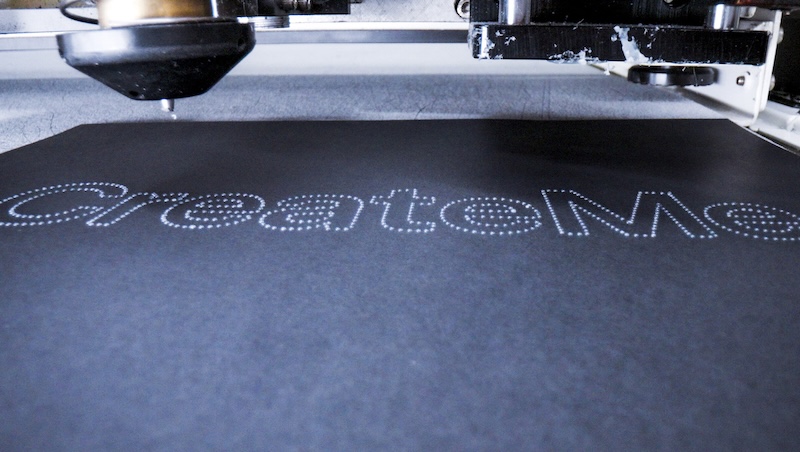
For decades, apparel manufacturing has remained one of the most labor-intensive sectors in global industry. While robots have transformed automotive production, electronics assembly, and warehouse operations, handling soft, deformable materials such as fabric has proven far more difficult to automate. Textiles stretch, wrinkle, drape, and shift unpredictably, creating challenges that traditional industrial automation systems were […]
The development of 'physical AI' is enabling automation in previously intractable areas like textile manufacturing, driven by advancements in robotic handling of deformable materials.
This development indicates a significant expansion of automation's reach, potentially transforming labor-intensive industries and impacting global supply chains.
Traditional labor-intensive apparel manufacturing, long resistant to automation, is now becoming susceptible to robotic transformation through new AI-driven approaches to material handling.
- · Robotics companies
- · Apparel brands (cost savings)
- · AI developers
- · Onshore manufacturing
- · Low-wage apparel labor
- · Traditional apparel manufacturing countries
- · Manual assembly lines
Significant automation of apparel manufacturing processes, leading to reduced labor costs and increased production efficiency.
Reshoring of textile production to developed nations due to decreased reliance on cheap labor and increased technological capability.
A potential shift in fashion design and production cycles, allowing for more rapid prototyping and on-demand manufacturing closer to consumers.
This signal links to a primary source. Continuum Brief monitors and indexes it as part of the live intelligence stream — we do not republish source content.
Read at Robotics & Automation News