Interview with Jun Wu of GMEX Robotics: ‘We provide an integrated terminal + brain closed-loop system’
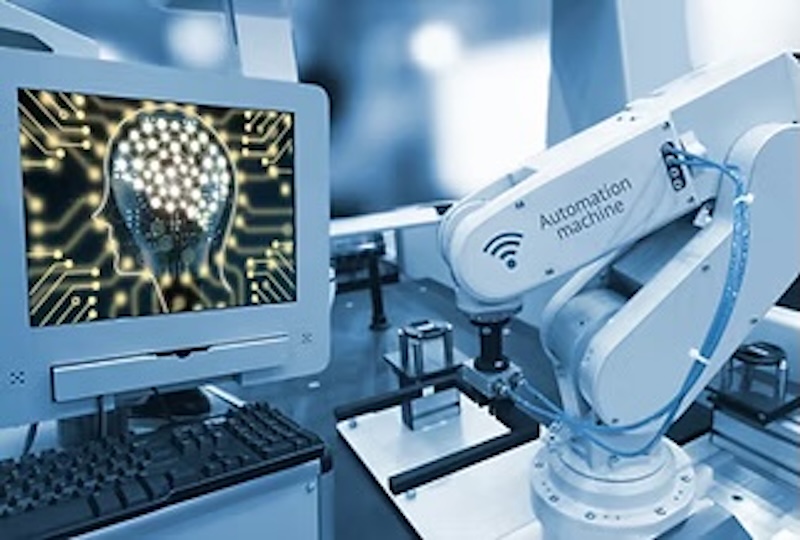
Artificial intelligence may dominate the headlines, but the future of robotics will depend on much more than software alone. While many companies are racing to develop foundation models and increasingly capable AI systems, others argue that the real challenge lies in combining intelligence with hardware that can operate reliably in the physical world. One company […]
The proliferation of AI foundation models is making the integration of intelligent software with reliable physical hardware the next critical bottleneck for advanced robotics.
Sophisticated readers should care because the effective deployment of AI in the physical world hinges on robust hardware-software integration, which is a key barrier to widespread automation.
The focus in robotics development is shifting from hyper-optimizing AI software alone to equally prioritizing the hardware systems that allow AI to operate reliably in dynamic physical environments.
- · Integrated robotics companies
- · Automation technology providers
- · Manufacturing sector
- · Pure software AI developers lacking hardware integration
- · Companies focused solely on theoretical AI advancements
Increased investment in companies providing integrated hardware and AI solutions for robotics.
Faster adoption of autonomous systems in logistics, manufacturing, and other industries as reliability improves.
Shifts in labor markets as integrated robotic systems become capable of performing complex physical tasks previously requiring human intervention.
This signal links to a primary source. Continuum Brief monitors and indexes it as part of the live intelligence stream — we do not republish source content.
Read at Robotics & Automation News