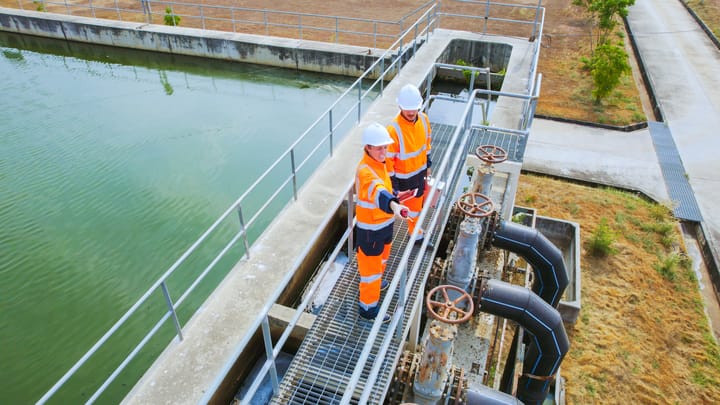
Nation-state attackers breach water systems through weak passwords, exposed PLCs, and poor segmentation — not sophisticated malware.
Nation-states are increasingly probing critical infrastructure globally, and water systems present a vulnerable target due to often-outdated security practices.
This highlights a growing vector for geopolitical conflict and sabotage, directly impacting civilian life and essential services, and revealing critical infrastructure vulnerabilities.
The focus of cyber warfare expands from data exfiltration and IT systems to direct physical disruption of essential services, signaling a lower barrier to entry for impactful attacks.
- · Cybersecurity firms specializing in OT/ICS
- · Governments investing in critical infrastructure protection
- · Manufacturers of secure PLC systems
- · Municipal water authorities with legacy systems
- · Populations dependent on vulnerable water infrastructure
- · Nations with weak cyber defense policies
Increased investment in cyber defense for critical infrastructure and stricter regulatory oversight of operational technology security.
Potential for water supply disruptions to be used as a tool in hybrid warfare, escalating geopolitical tensions beyond traditional military domains.
Public distrust in critical infrastructure reliability, leading to social unrest or demands for decentralized essential services.
This signal links to a primary source. Continuum Brief monitors and indexes it as part of the live intelligence stream — we do not republish source content.
Read at Dark Reading