Iraq and Afghanistan veterans are retiring. How will new leaders inherit their lessons learned?
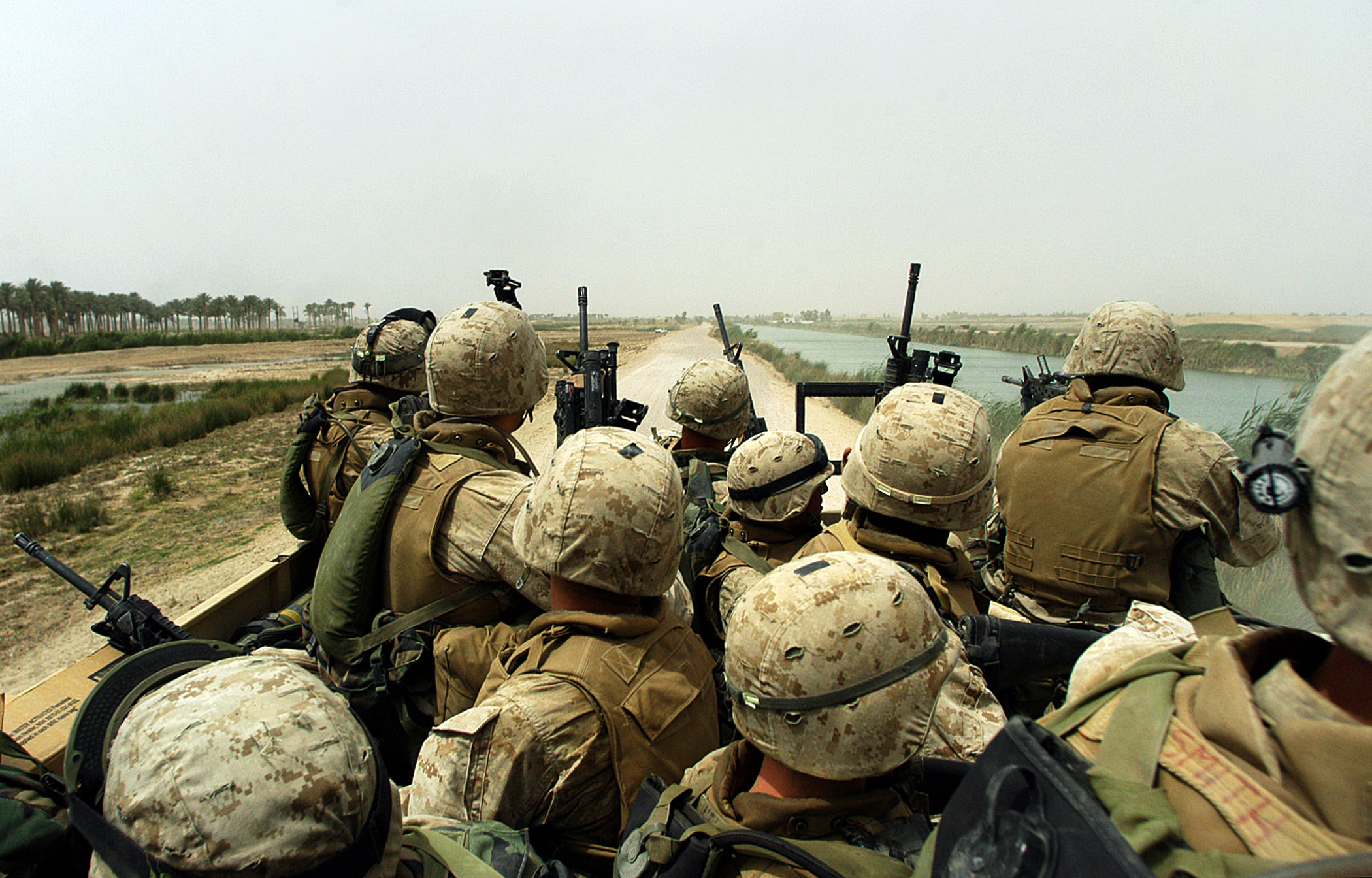
The retirement of the post-9/11 generation raises a question: What, exactly, is worth carrying forward into a new age of warfare?
The post-9/11 generation of military leaders is reaching retirement age, necessitating a formal transfer of institutional knowledge and adaptation to new strategic environments.
The US military's ability to effectively integrate decades of combat experience while innovating for future warfare scenarios is crucial for national security and geopolitical stability.
The explicit focus shifts from simply accumulating experience to strategically curating and integrating lessons learned from past conflicts into new operational doctrines and technological advancements.
- · Defense innovation programs
- · Military academies and think tanks
- · Defense technology sector
- · Legacy military contractors slow to adapt
- · Military branches resistant to change
- · Traditionalists ignoring new warfare paradigms
The US military will undertake significant efforts to codify and transmit institutional knowledge from retiring veterans.
This process will likely accelerate the adoption of new defence technologies and strategic frameworks, particularly in areas like AI and autonomy.
The integration of past combat lessons with future tech could lead to a significant refresh of military doctrine, potentially altering global power dynamics.
This signal links to a primary source. Continuum Brief monitors and indexes it as part of the live intelligence stream — we do not republish source content.
Read at Navy Times