Iraq and Afghanistan veterans are retiring. How will new leaders inherit their lessons learned?
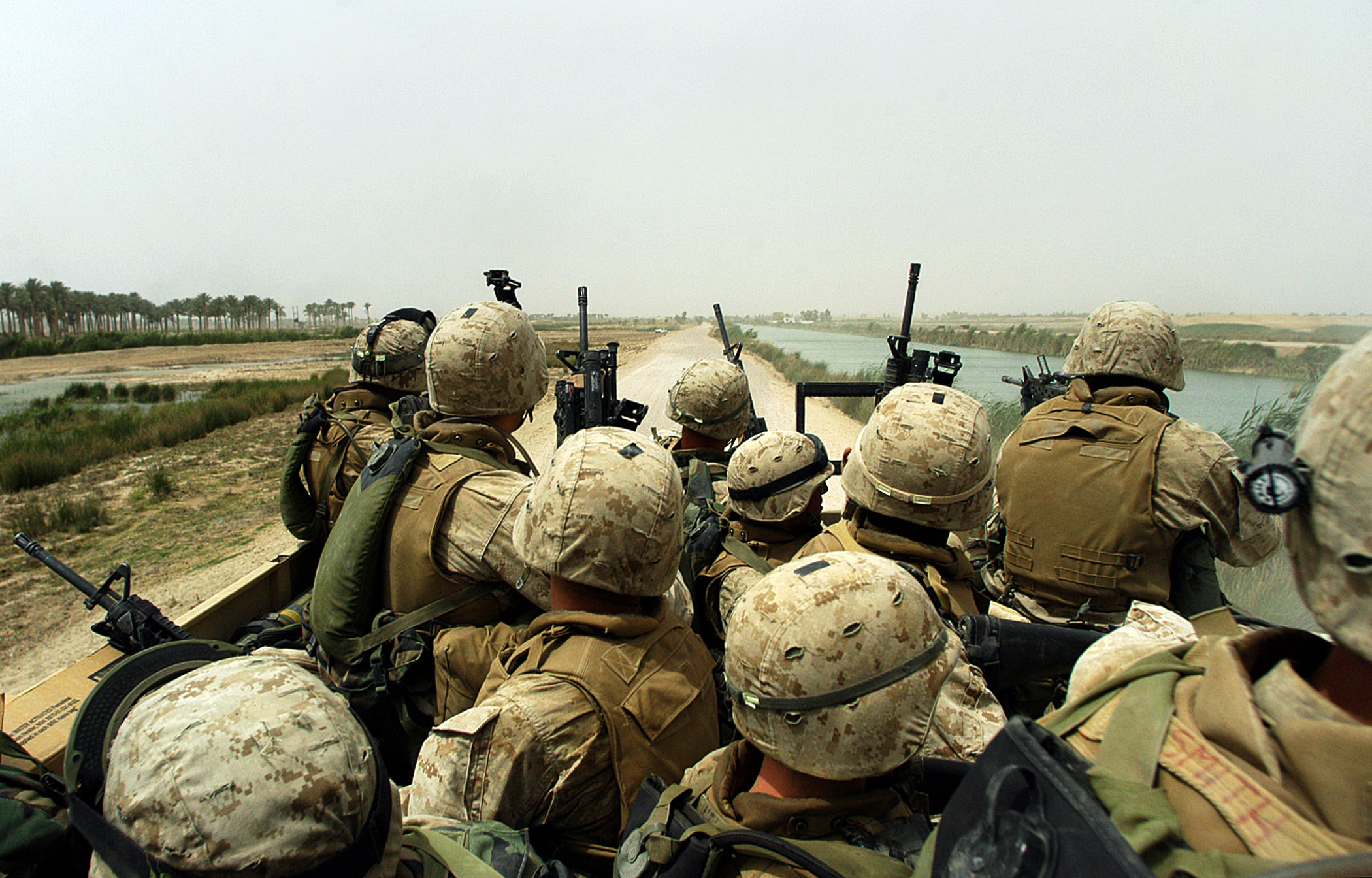
The retirement of the post-9/11 generation raises a question: What, exactly, is worth carrying forward into a new age of warfare?
The retirement wave of post-9/11 veterans is creating an inflection point for military leadership, necessitating a deliberate transfer of knowledge and strategic adaptation.
This transition determines the foundation of future military doctrine and operational effectiveness in an evolving global landscape for strategic readers.
Operational experience from recent conflicts must now be codified and integrated into training and leadership development, rather than relying on direct experiential transfer.
- · Military educational institutions
- · Defence policy think tanks
- · Defence tech companies focused on training/simulation
- · Traditional military command structures
- · Units reliant on outdated methodologies
The US military begins a focused effort to distill and institutionalize lessons learned from decades of counter-insurgency and expeditionary warfare.
This effort informs the development of new training methodologies and simulation technologies, potentially accelerating the adoption of advanced defence technologies.
These refined doctrines and technologies could influence allied military strategies and create new opportunities for defence tech export and collaboration.
This signal links to a primary source. Continuum Brief monitors and indexes it as part of the live intelligence stream — we do not republish source content.
Read at Air Force Times