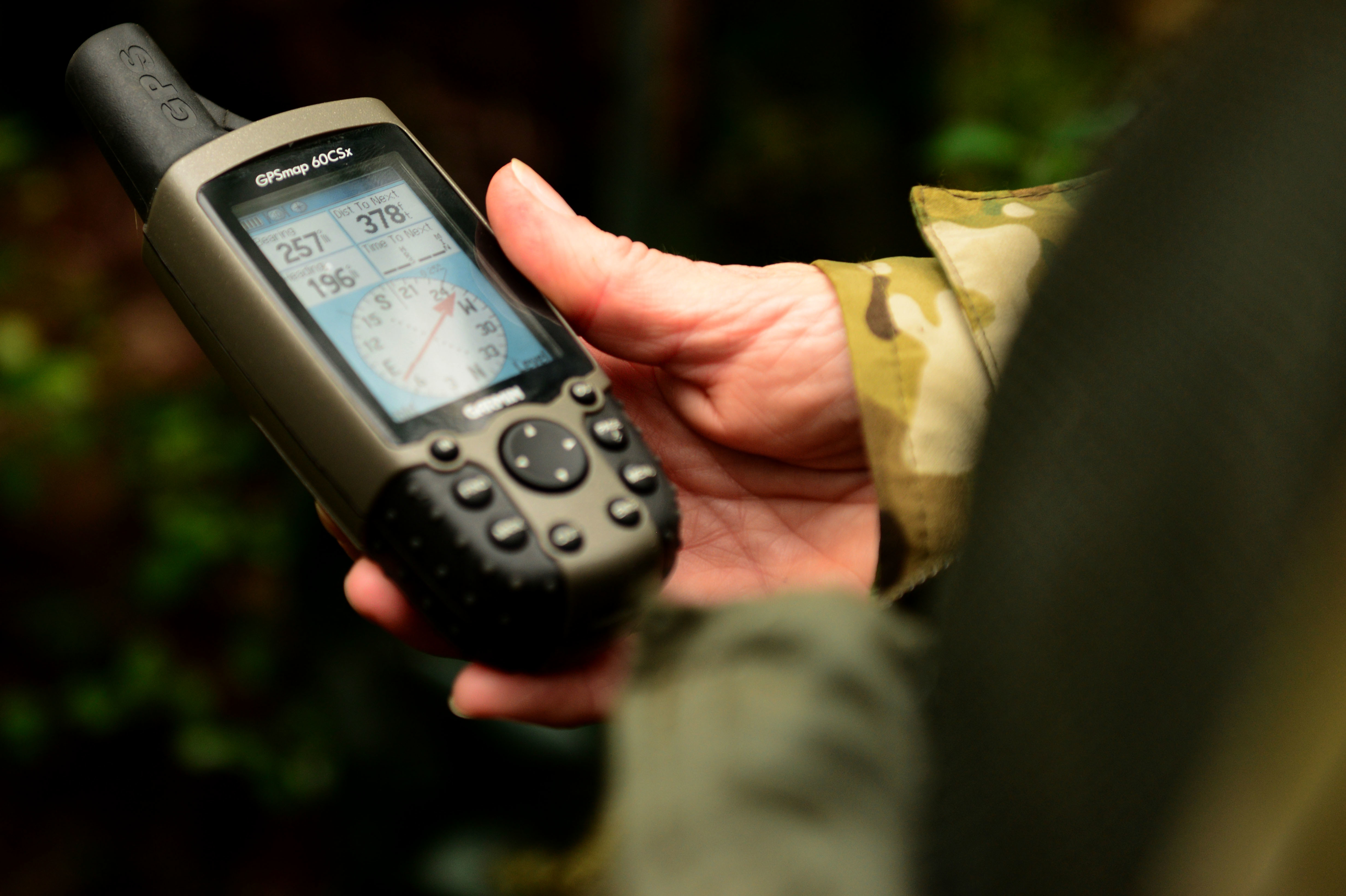
The study will use virtual reality simulations to track aspects of observation and recall in subjects with and without navigation aids.
The increasing sophistication and integration of navigation technologies in military operations make understanding their cognitive impact critical. Concerns about over-reliance on technology are growing, especially in contested environments.
A sophisticated reader should care about this study because it addresses a fundamental aspect of human-machine interaction in warfare, potentially influencing future military training, equipment design, and operational doctrines to mitigate cognitive degradation.
This study's findings could lead to significant changes in military training methodologies, emphasizing observation and recall skills while defining optimal integration points for navigation aids.
- · Military training organizations
- · Defence tech companies focusing on human-machine teaming
- · Cognitive science researchers
- · Manufacturers of solely GPS-reliant navigation systems
- · Military units with over-reliance on tech vs. cognitive skills
The study directly assesses how troops' observational skills are affected by reliance on GPS and other navigation aids.
Understanding these effects could lead to re-evaluation of military training paradigms, integrating more analog navigation and observation exercises.
Long-term, this could influence the design of future soldier systems, prioritizing augmentation over replacement of human cognitive functions, potentially reducing vulnerability to GPS denial environments and enhancing overall combat effectiveness.
This signal links to a primary source. Continuum Brief monitors and indexes it as part of the live intelligence stream — we do not republish source content.
Read at Navy Times