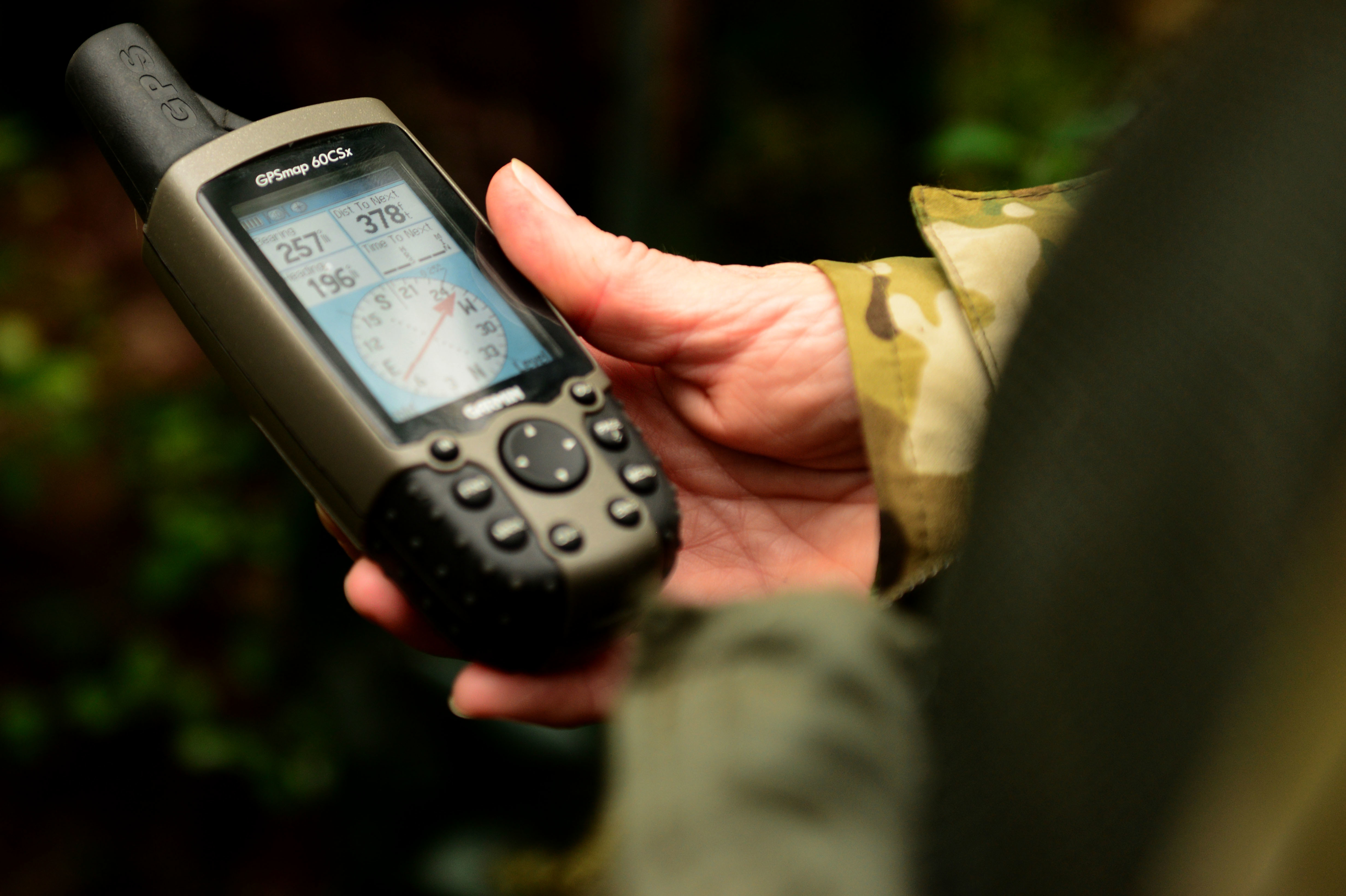
The study will use virtual reality simulations to track aspects of observation and recall in subjects with and without navigation aids.
The increasing sophistication of autonomous and navigation technologies is prompting defence organizations to critically assess human-machine interaction and potential dependencies.
This study highlights growing concerns about the over-reliance on digital aids and its potential degradation of core human observational and cognitive skills vital in complex environments.
Defence strategies may increasingly integrate training and operational protocols designed to mitigate cognitive offloading caused by advanced navigation technologies.
- · Cognitive training solution providers
- · Military human factors research
- · Developers of resilient navigation systems
- · Defence contractors over-focused on GPS-dependent solutions
- · Troops without sufficient analog navigation skills
- · Doctrine based solely on ubiquitous digital connectivity
The study's findings will influence tactical training and equipment development for military personnel.
There may be a resurgence in basic land navigation and observation training across various military branches, potentially impacting recruitment and skill development.
Civilian applications like pilot training or emergency response could also adopt similar strategies to counter over-reliance on digital aids, shifting training paradigms globally.
This signal links to a primary source. Continuum Brief monitors and indexes it as part of the live intelligence stream — we do not republish source content.
Read at Air Force Times