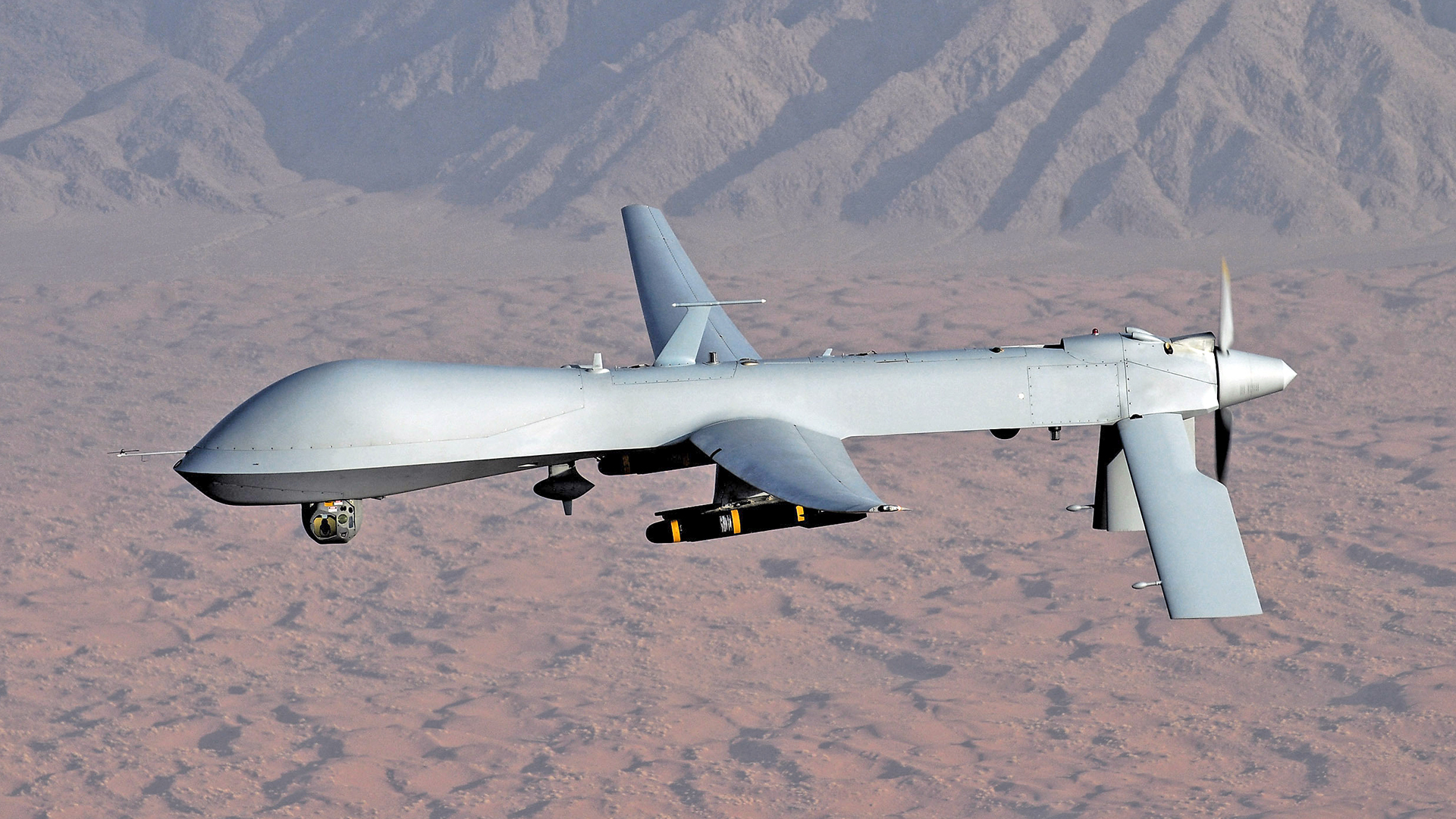
Questions surrounding the loss of an "MQ-1" to Iran highlight the possibilities and pitfalls of sending the Predator back into the fray. The post Is The U.S. Flying MQ-1 Predator Drones Again? appeared first on The War Zone .
The reported loss of a US 'MQ-1' drone to Iran at this specific moment highlights the ongoing geopolitical tensions and the persistent use of unmanned aerial systems in contested regions.
This event indicates a potential reversal or re-evaluation of drone procurement and deployment strategies, particularly regarding older, less advanced systems, which impacts defence spending and technological priorities.
The discussion about the MQ-1 Predator returning to active service suggests a shift in drone utilization tactics, possibly driven by cost-effectiveness or specific mission requirements, alongside a continued focus on defending against advanced adversaries.
- · Manufacturers of new drone systems
- · US defence industry
- · Intelligence agencies
- · Drones with outdated technology
- · Operators of older drone models
- · Iran (if the drone was recovered by the US)
The immediate impact is renewed scrutiny on the operational capabilities and vulnerabilities of older drone platforms.
A plausible second-order consequence is accelerated development or deployment of more advanced, stealthier, or autonomous uncrewed systems to counter evolving threats.
A speculative third-order consequence could be a broader debate within NATO and allied nations about the cost-benefit analysis of deploying older military hardware versus investing exclusively in cutting-edge technology.
This signal links to a primary source. Continuum Brief monitors and indexes it as part of the live intelligence stream — we do not republish source content.
Read at The War Zone