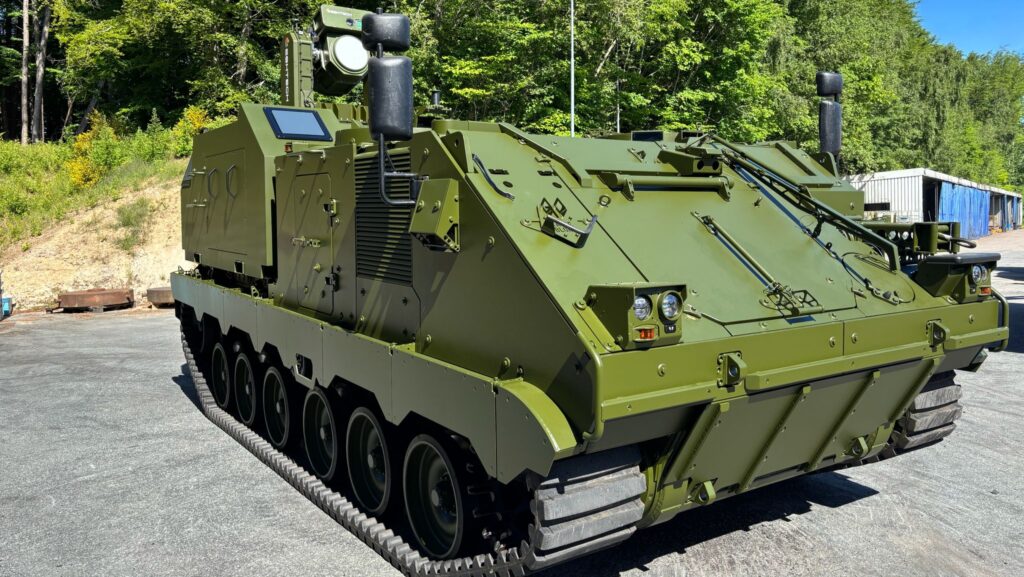
“It’s a game changer. It’s smaller, uses only 4kWh, can be connected to a vehicle, and is three to four times less expensive than current laser or microwave systems,” Erex Riahi, the CEO of Esh-Tech, said.
The proliferation of drones, especially in conflict zones, has created an urgent demand for cost-effective and efficient counter-UAS (cUAS) solutions.
This development represents a significant step towards democratizing counter-drone capabilities, making advanced defence more accessible and harder to overwhelm with swarm tactics.
The potential availability of a low-cost, mobile, and energy-efficient laser cUAS system fundamentally alters the economic and operational calculus of drone warfare.
- · Israel's defence tech sector
- · Armed forces seeking cUAS solutions
- · Manufacturers of laser components
- · Vehicle-mounted defence systems
- · Drone swarm attackers
- · Manufacturers of expensive traditional cUAS systems
- · Proponents of kinetic cUAS solutions
Widespread adoption of affordable laser cUAS systems will rapidly neutralize drone threats on the battlefield.
The reduced cost of defence against drones will enable a shift in asymmetric warfare tactics, making drone swarms less viable.
This could lead to a resurgence in manned aircraft protection and a re-evaluation of ground force vulnerability in contested airspace.
This signal links to a primary source. Continuum Brief monitors and indexes it as part of the live intelligence stream — we do not republish source content.
Read at Breaking Defense — Air