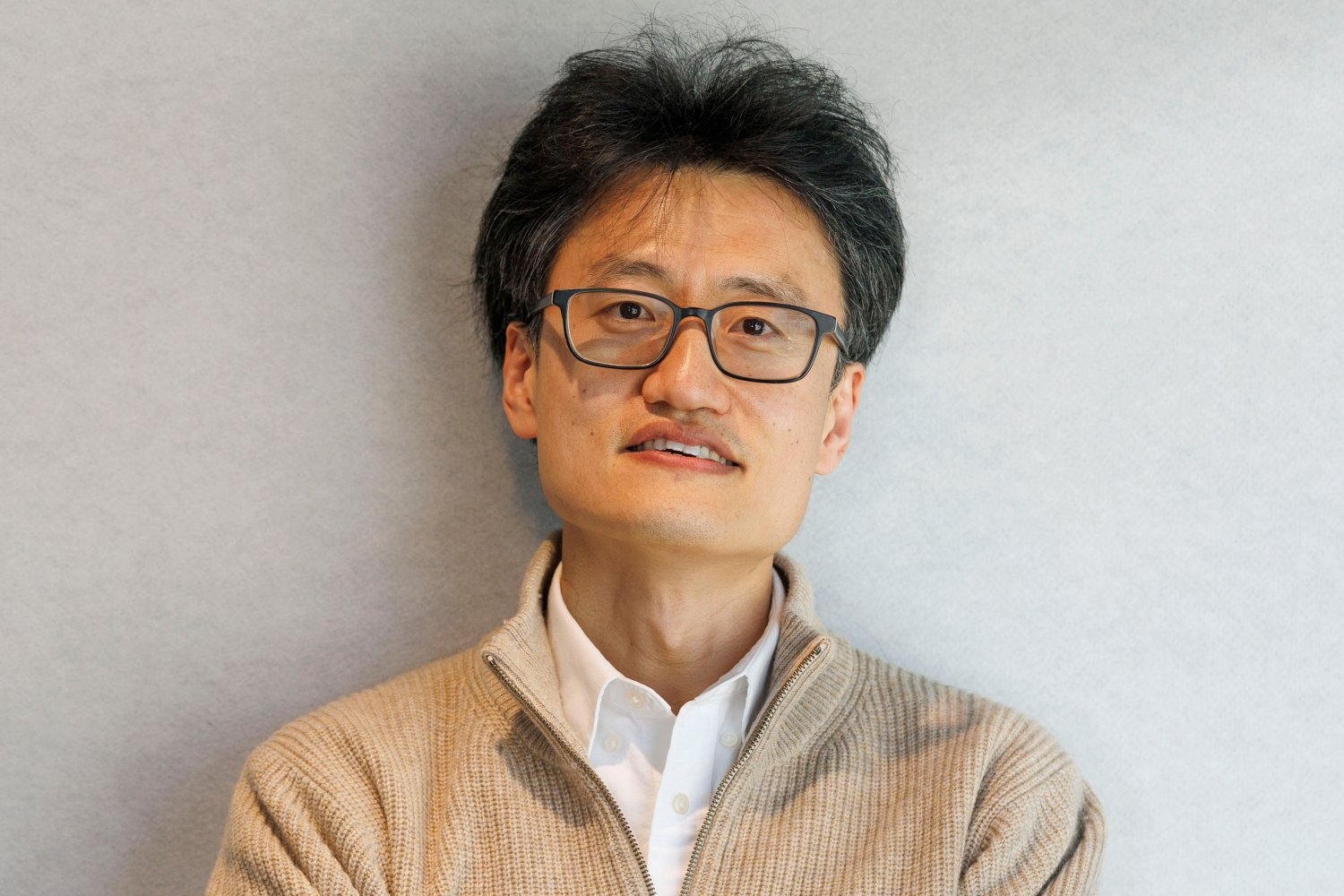
An expert in behavioral science and transportation, Zhao combines these studies with AI and public policy to address some of the most urgent challenges facing cities.
The appointment of an expert in AI and public policy to a leadership role in urban studies reflects the increasing integration of advanced technologies into urban planning and governance.
This move highlights the growing recognition of AI's critical role in addressing urban challenges and the need for interdisciplinary leadership to guide its application.
Leadership in urban studies now explicitly incorporates expertise in behavioral science, transportation, AI, and public policy, signaling a more data-driven and technology-integrated approach to city development.
- · Smart city initiatives
- · Urban planning departments
- · AI in public policy research
- · Traditional urban planning approaches
- · Siloed academic departments
The Department of Urban Studies and Planning will likely prioritize research and curriculum development at the intersection of AI, behavioral science, and urban challenges.
Increased application of AI and data analysis tools in municipal planning and transportation strategies globally, driven by academic influence.
Potential for new urban infrastructure and policy models that are more responsive, efficient, and equitable due to sophisticated AI-driven insights.
This signal links to a primary source. Continuum Brief monitors and indexes it as part of the live intelligence stream — we do not republish source content.
Read at MIT News — AI