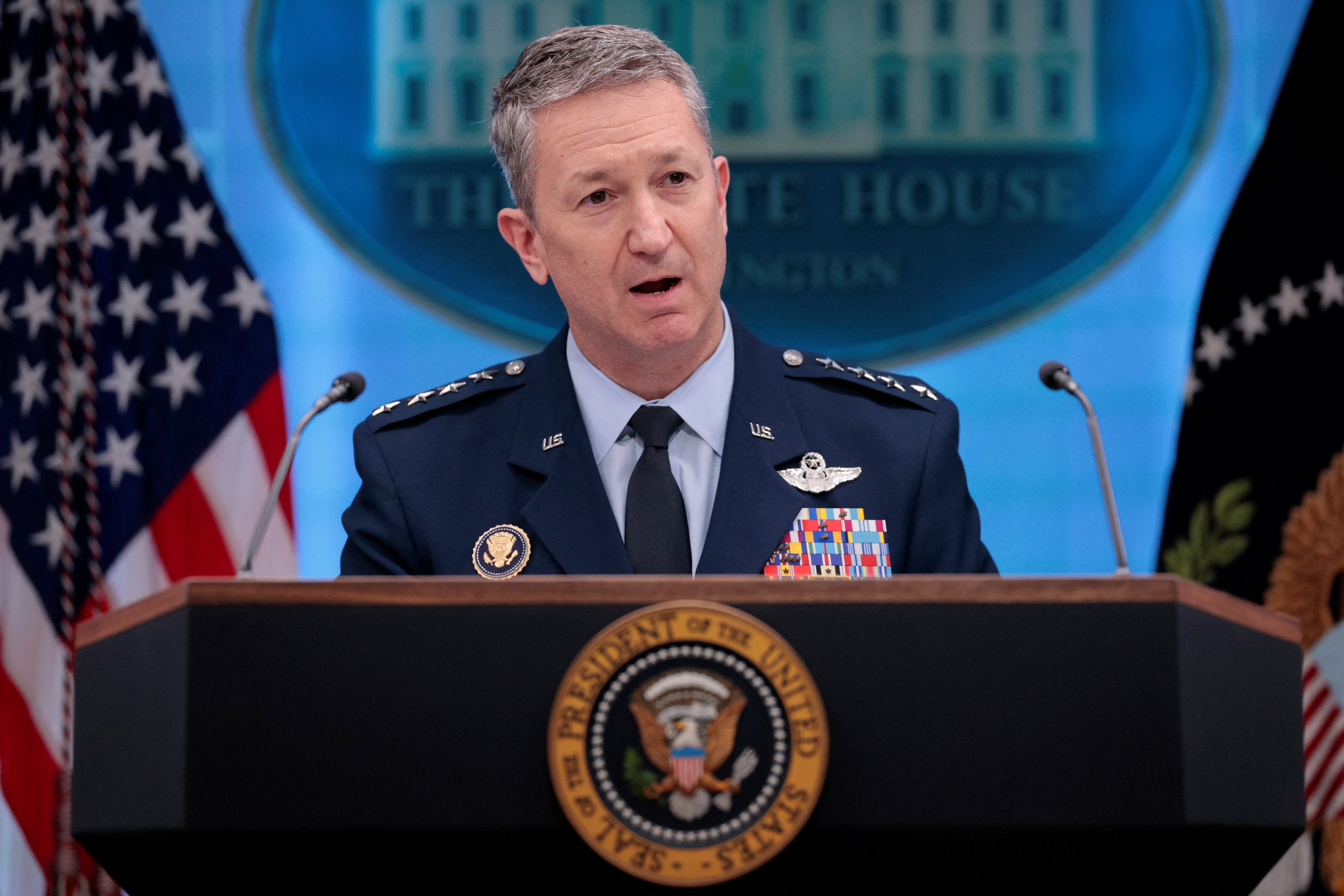
The visit comes five months after the high-risk U.S. military operation to remove Venezuelan President Nicolás Maduro.
The visit signifies a crucial diplomatic follow-up to a high-stakes military intervention, indicating an intent to stabilize and influence post-Maduro Venezuela.
This event demonstrates a significant shift in US foreign policy and military engagement in Latin America, potentially ushering in a new era of regional power dynamics and increased interventionism.
The US is actively engaging with a new Venezuelan government it helped install, marking a direct geopolitical restructuring rather than indirect influence.
- · US State Department
- · US military-industrial complex
- · Venezuelan opposition
- · Biden Administration
- · Cuba
- · Russia
- · China
- · Madurista loyalists
The visit solidifies US influence in Venezuela, potentially leading to increased economic and political alignment.
Other Latin American nations may reassess their geopolitical stances, either aligning more closely with the US or bolstering anti-US blocs.
Long-term, this could set a precedent for US interventionism in regime changes across the hemisphere, sparking a new wave of regional instability or consolidation.
This signal links to a primary source. Continuum Brief monitors and indexes it as part of the live intelligence stream — we do not republish source content.
Read at Army Times