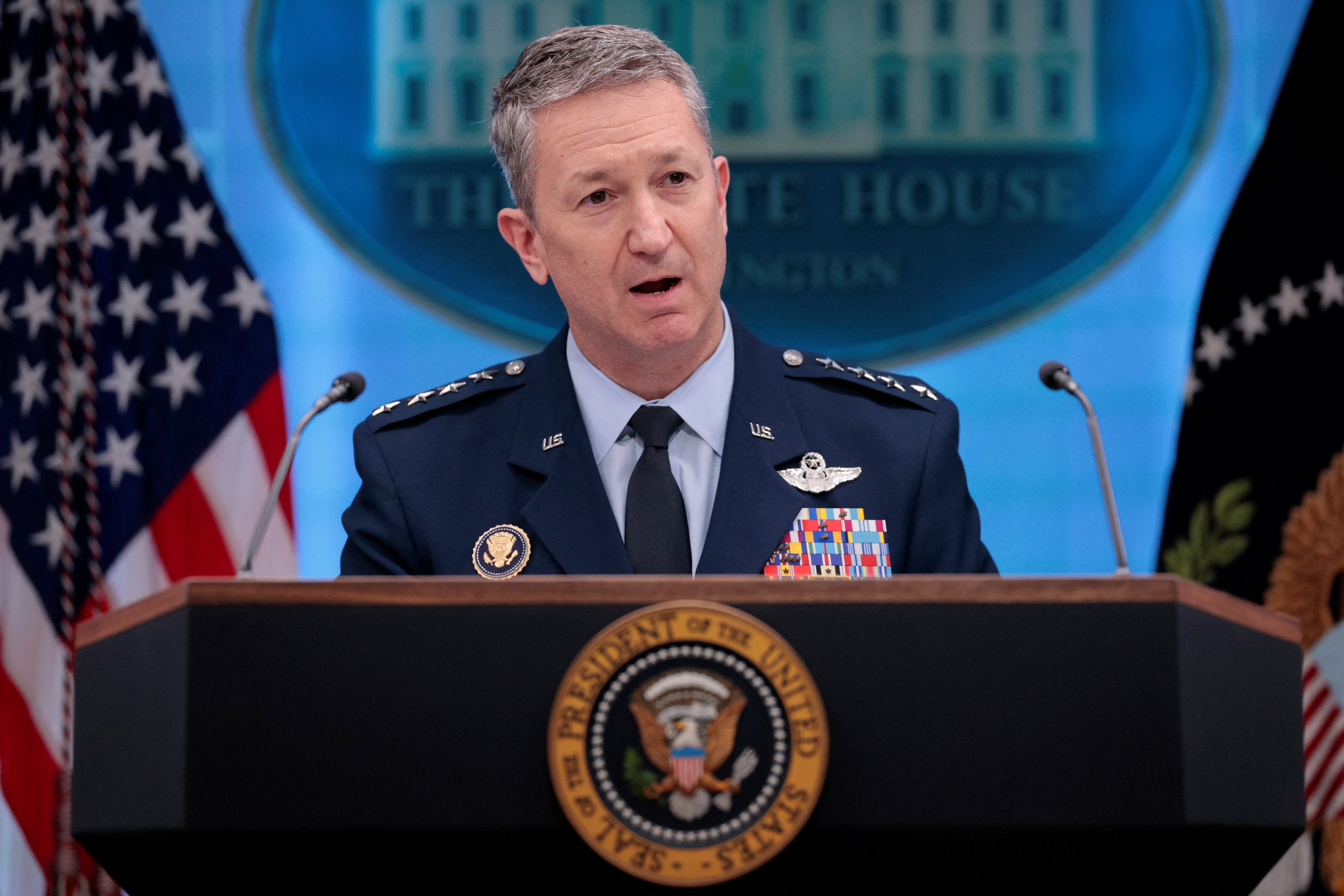
The visit comes five months after the high-risk U.S. military operation to remove Venezuelan President Nicolás Maduro.
The visit follows a significant US military intervention to depose the Venezuelan president, indicating a new phase in US-Venezuela relations.
This event signifies a formal diplomatic and security re-engagement between the US and 'post-Maduro' Venezuela, potentially altering regional power dynamics and US foreign policy in Latin America.
US-Venezuela relations are moving from overt conflict to a more structured, likely US-influenced engagement, signifying a successful regime change operation and the establishment of a new political order.
- · United States
- · Venezuelan opposition
- · Regional stability advocates
- · Cuba
- · Russia
- · Iran
The visit legitimizes the new Venezuelan government and US influence in the region.
Increased US economic and military presence in Venezuela could lead to resource control and strategic positioning against other geopolitical rivals.
This could set a precedent for future US interventionist foreign policy in its perceived sphere of influence, potentially increasing regional tensions with non-allied countries.
This signal links to a primary source. Continuum Brief monitors and indexes it as part of the live intelligence stream — we do not republish source content.
Read at Air Force Times