Justices rule that cellphone location histories are protected by the Fourth Amendment
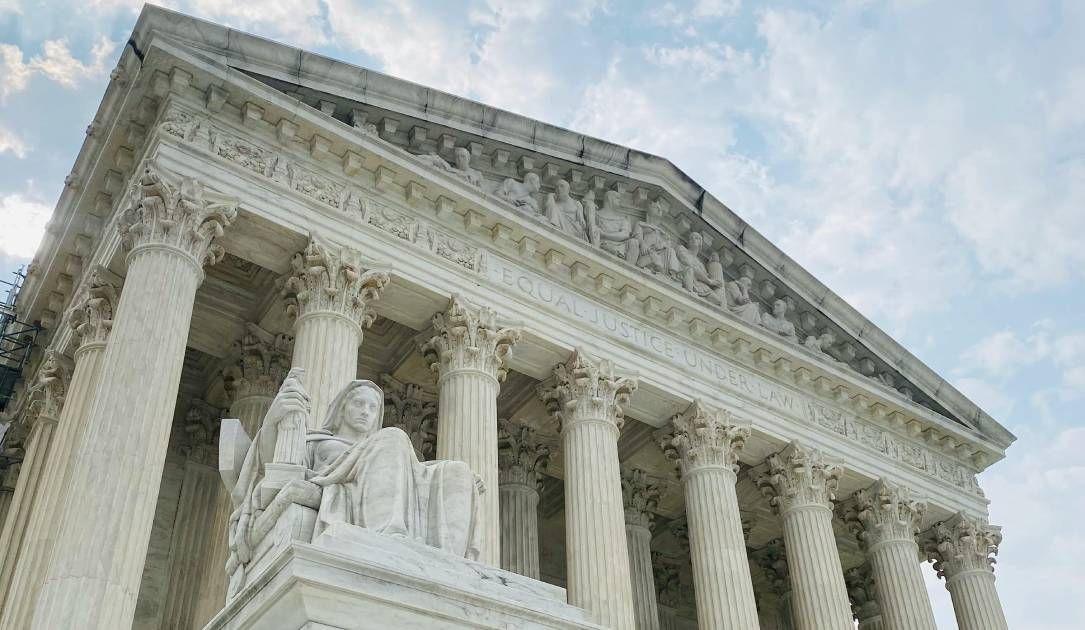
Police must get a warrant to request geofence data involving individual cellphones, the U.S. Supreme Court ruled in what represents a victory for privacy advocates.
The proliferation of digital location data and prior legal ambiguity regarding Fourth Amendment protections for such information necessitated a definitive ruling.
This ruling establishes a significant legal precedent for digital privacy, impacting how law enforcement interacts with technology companies and individual data.
Law enforcement can no longer access cellphone geofence data without a warrant, shifting the balance between state surveillance capabilities and individual privacy rights.
- · Privacy advocates
- · Technology companies (in terms of user trust)
- · Individuals concerned about digital surveillance
- · Law enforcement agencies
- · Intelligence agencies
Law enforcement will need to adapt investigative techniques to comply with warrant requirements for digital location data.
Technology companies may face increased pressure to further enhance user data privacy and security measures.
This could set a precedent for future legal challenges regarding other forms of digital data and surveillance.
This signal links to a primary source. Continuum Brief monitors and indexes it as part of the live intelligence stream — we do not republish source content.
Read at The Record