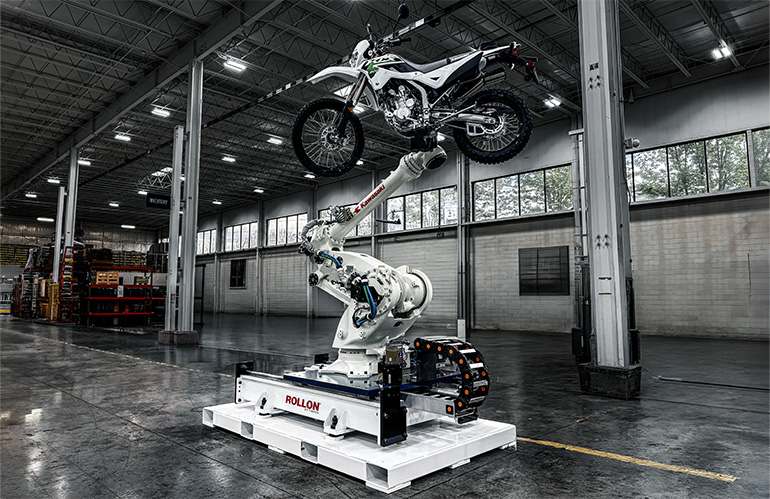
Kawasaki Robotics says its 8-DoF robot, Pulseboard inspection tech, and other systems will show its vision for intelligent automation. The post Kawasaki Robotics to debut RL030N physical AI platform at Automate appeared first on The Robot Report .
The increased integration of AI into physical robotics is a natural progression driven by advancements in AI models and computational power, coinciding with rising industrial automation needs.
This development signifies a critical step towards more autonomous and flexible industrial robots, potentially enhancing manufacturing efficiency and supply chain resilience.
Industrial robots are moving beyond predefined tasks to incorporate more adaptive and intelligent decision-making capabilities, reducing programming complexity and increasing operational versatility.
- · Industrial automation sector
- · Automotive manufacturing
- · Robotics AI developers
- · Advanced manufacturing companies
- · Companies relying on less flexible automation systems
- · Low-skilled manual labor in manufacturing
Companies in manufacturing and logistics gain access to more sophisticated and adaptable automation solutions.
This drives increased investment in AI research for robotics, further accelerating development of physical AI platforms.
The broader adoption of physical AI robots leads to increased demand for AI-specific hardware and energy infrastructure to support compute needs.
This signal links to a primary source. Continuum Brief monitors and indexes it as part of the live intelligence stream — we do not republish source content.
Read at The Robot Report