Kyiv delivers: How Glovo scaled one of its fastest-growing markets in wartime Ukraine
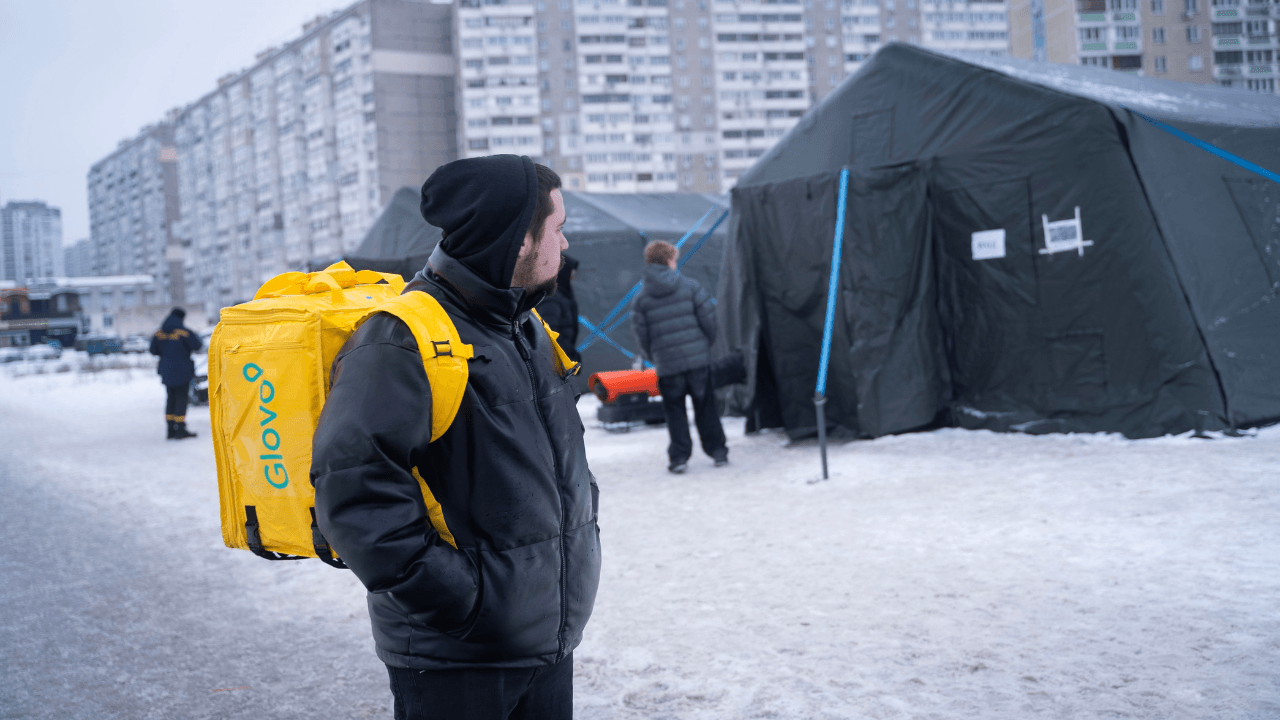
Earlier this week, an image went viral in Ukraine. It features a dark and apocalyptic image of Kyiv, with a burning shopping and entertainment centre near Lukianivska metro station in Kyiv engulfed in...
This news highlights an e-commerce company's unexpected growth in a conflict zone, demonstrating resilience and adaptation in the face of ongoing geopolitical instability.
It provides a case study of economic activity and innovation persisting, and even thriving, in a high-stress environment, offering insights into market adaptability and consumer behavior during crises.
The perception that war entirely halts certain non-essential services is challenged, indicating that essential and convenient services can still scale under severe duress.
- · Glovo
- · On-demand delivery services
- · Resilient consumer markets
- · Ukraine's digital economy
- · Traditional retail (in conflict zones)
- · Companies unable to adapt to crisis conditions
On-demand delivery services become critical infrastructure in humanitarian crises, not just conveniences.
Investment in logistics and infrastructure in conflict zones may increase, supported by perceived operational viability.
The model of 'wartime market leadership' could emerge, where companies demonstrate extreme operational efficiency and adaptability under duress, leading to broader competitive advantages post-conflict.
This signal links to a primary source. Continuum Brief monitors and indexes it as part of the live intelligence stream — we do not republish source content.
Read at Tech.eu