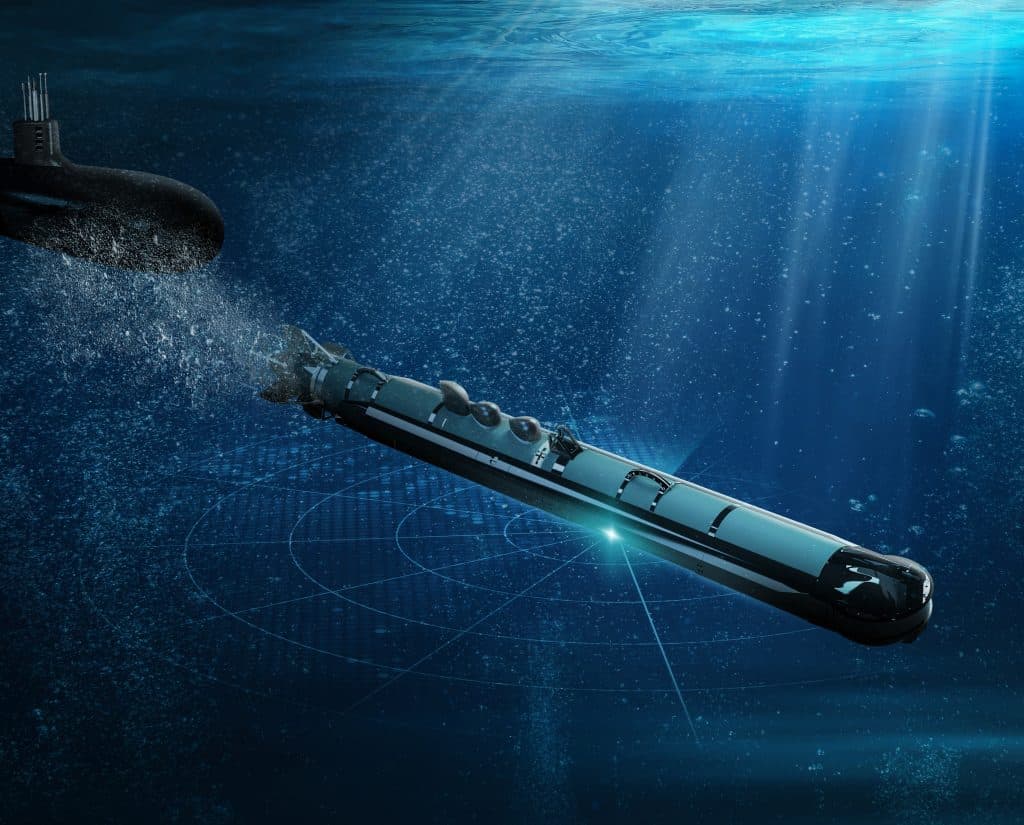
NATIONAL HARBOR, MD — L3Harris is pushing forward with production of its Iver4 900 autonomous undersea vehicle (AUV) under a previously unknown Defense Innovation Unit effort that is looking to deliver a torpedo tube launch and recovery (TTL&R) autonomous drone to the U.S. Navy’s attack submarine fleet. The AUV will be delivered across multiple classes ... The post L3Harris Delivering Clandestine Submarine-Launched AUVs to the U.S. Navy appeared first on Naval News .
This development reflects an ongoing push by the US Navy to integrate advanced autonomous systems into its fleet, driven by strategic competition and the need for enhanced undersea capabilities.
This marks a significant step in the operationalization of submarine-launched AUVs, providing clandestine intelligence, surveillance, and reconnaissance (ISR) capabilities and potentially new offensive options.
The deployment of torpedo tube launched and recovered AUVs will augment attack submarines' traditional roles, making them more versatile and extending their reach without exposing the host submarine.
- · L3Harris
- · U.S. Navy
- · Defense Tech Sector
- · Autonomous Systems Developers
- · Competitors reliant on traditional undersea warfare
- · Navies with less advanced autonomous capabilities
The U.S. Navy gains enhanced clandestine undersea intelligence and operational flexibility.
Other naval powers will accelerate their own development and deployment of similar submarine-launched AUV technologies to counter this capability.
The proliferation of advanced, autonomously deployed undersea systems could lead to a more complex and potentially more volatile undersea battlespace, necessitating new doctrines and countermeasures.
This signal links to a primary source. Continuum Brief monitors and indexes it as part of the live intelligence stream — we do not republish source content.
Read at Naval News