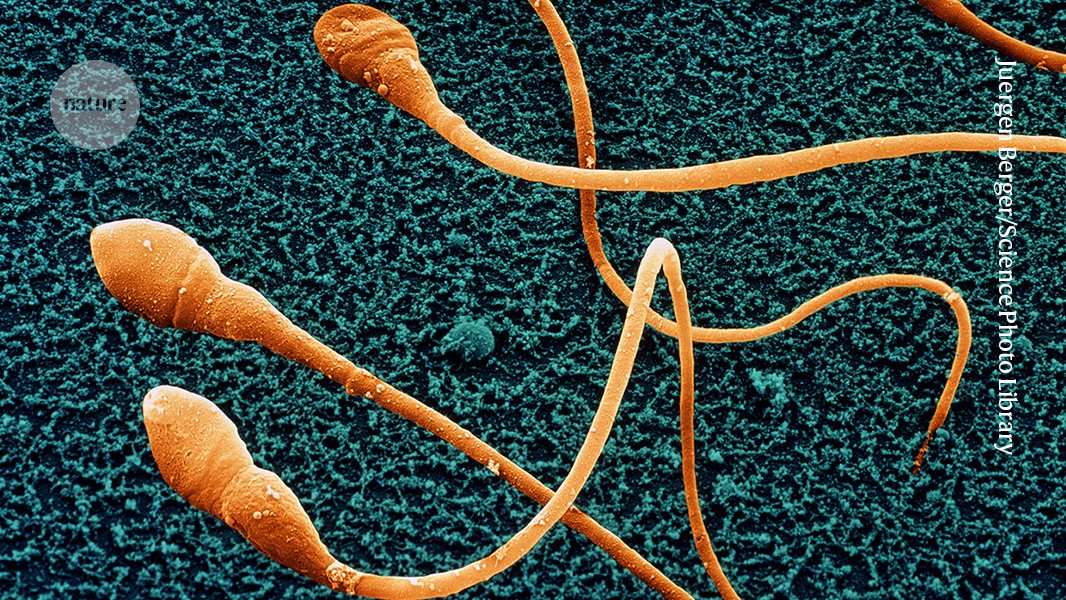
Nature, Published online: 10 July 2026; doi:10.1038/d41586-026-02172-6 Sci-fi procedure creates immature human sperm from stem cells, nurturing them on a mouse’s kidney.
Advances in stem cell research and regenerative medicine have reached a critical juncture, allowing for the experimental creation of complex biological structures like gametes ex vivo.
This breakthrough represents a significant step towards addressing infertility challenges and has profound implications for reproductive science, ethics, and demographic trends.
The ability to generate human sperm from stem cells introduces a potential alternative to traditional reproduction, bypassing some biological limitations.
- · Fertility clinics and biotechnological firms
- · Couples facing infertility
- · Stem cell researchers
Successful development of lab-grown human sperm could offer new therapeutic avenues for male infertility.
Ethical and societal debates will intensify regarding the definition of parenthood, genetic screening, and the moral status of such biological creations.
Long-term societal impacts could include shifts in family structures, reproductive rights, and demographic patterns, potentially offsetting some aspects of falling birth rates.
This signal links to a primary source. Continuum Brief monitors and indexes it as part of the live intelligence stream — we do not republish source content.
Read at Nature — Latest Research