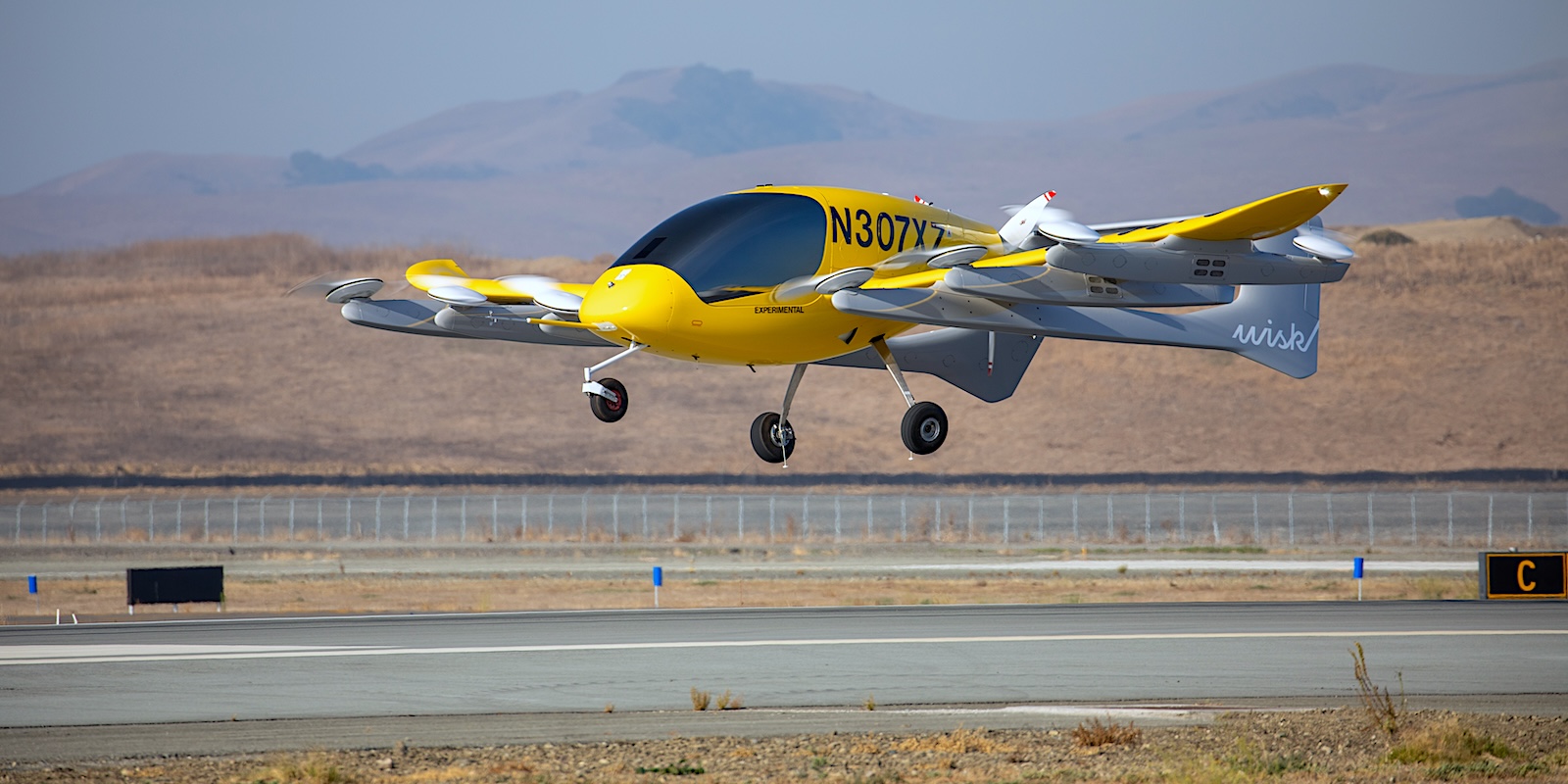
Boeing-backed eVTOL startup Wisk Aero is being sued by a former employee who claims they were fired for reporting that the software behind the autonomous air taxi service had failed basic aviation software safety testing requirements.
The eVTOL industry is rapidly moving towards commercialization, making safety and regulatory compliance critical and intensely scrutinized, as demonstrated by this lawsuit.
This event highlights the inherent risks and regulatory hurdles in deploying autonomous systems for public transport and could influence the pace and public acceptance of such technologies.
Increased scrutiny on autonomous software development and testing, potentially leading to more stringent certification processes and slower market entry for some autonomous aviation companies.
- · Aviation safety regulators
- · Traditional aerospace companies (with robust safety records)
- · Wisk Aero
- · eVTOL startups
- · Investors in autonomous aviation
Wisk Aero's reputation and commercialization timeline will be negatively impacted by the lawsuit and associated safety concerns.
The broader autonomous aviation sector may face increased regulatory burdens and public distrust, slowing adoption rates.
This could lead to a 'flight to quality' in autonomous aviation, favoring companies with established safety cultures and extensive testing protocols, potentially consolidating the market.
This signal links to a primary source. Continuum Brief monitors and indexes it as part of the live intelligence stream — we do not republish source content.
Read at Electrek