Leonardo, Baykar tout in-flight control of Kizilelma drone from a M-346 jet trainer
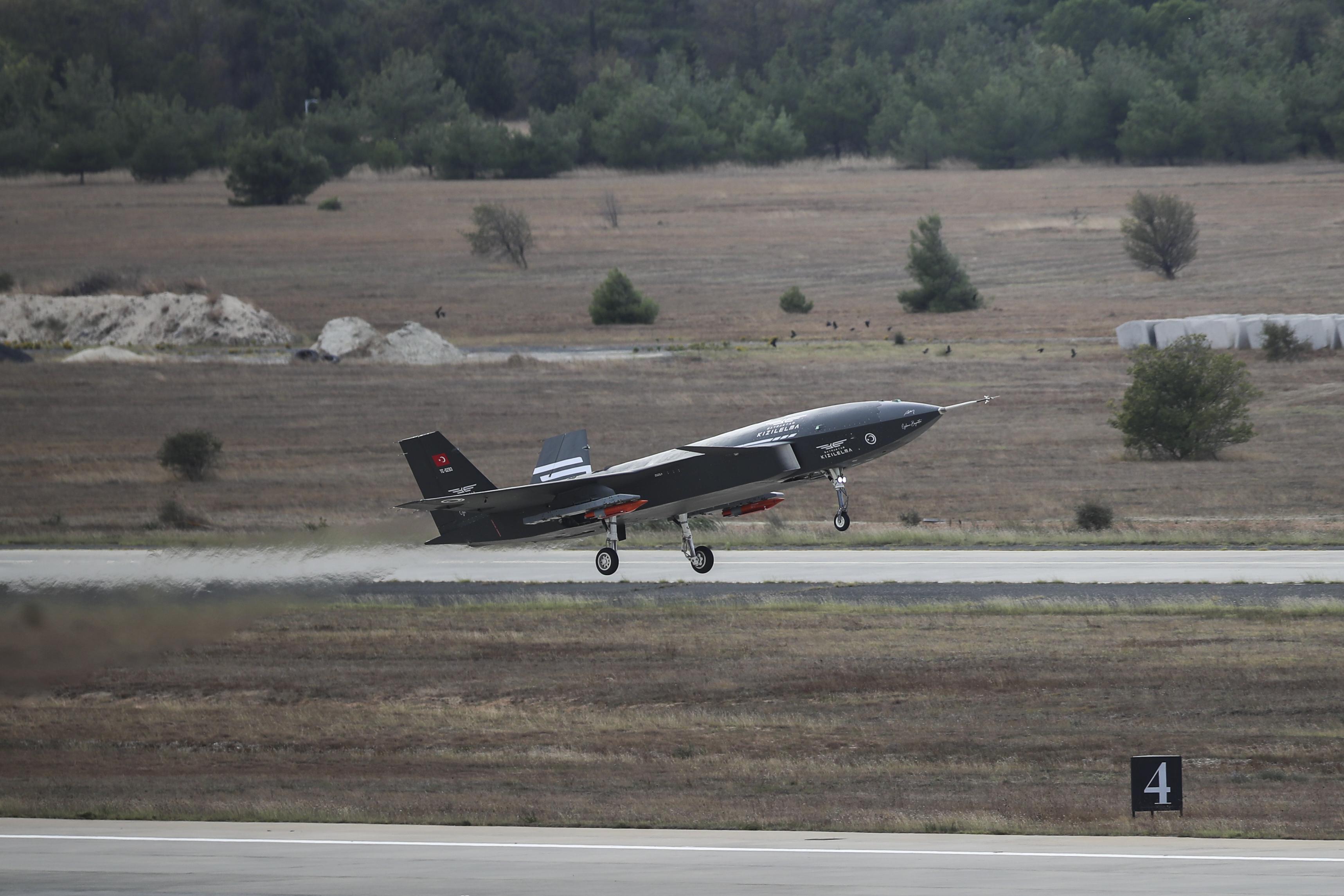
Following an autonomous taxi and take-off, the Kizilelma autonomously linked to the M-346 using “an advanced radio frequency data exchange system."
The accelerating development of autonomous systems and drone warfare capabilities is driving rapid advancements in integrated manned-unmanned teaming demonstrations.
This event showcases progress in manned-unmanned teaming (MUM-T) enabling seamless integration and control, which will be crucial for future air combat and defence strategies, augmenting pilot capabilities and survivability.
The successful in-flight control of an autonomous drone from a manned jet fighter validates a key operational concept for integrating autonomous assets into existing air forces, enhancing their reach and reducing risk to human pilots.
- · Defense contractors focused on AI and autonomy
- · Air forces adopting MUM-T doctrines
- · NATO and allied defence capabilities
- · Aerospace technology innovators
- · Traditional manned-only air combat manufacturers
- · Defence strategies reliant on legacy platforms
- · Adversaries with limited drone integration capabilities
This demonstration advances the development of next-generation air combat systems featuring manned-unmanned teaming.
Increased adoption of such systems could lead to a significant paradigm shift in aerial warfare tactics, emphasizing distributed lethality and reduced human exposure to danger.
The proliferation of advanced drone integration capabilities might necessitate new international arms control agreements or defence alliances to manage the evolving security landscape.
This signal links to a primary source. Continuum Brief monitors and indexes it as part of the live intelligence stream — we do not republish source content.
Read at Defense News