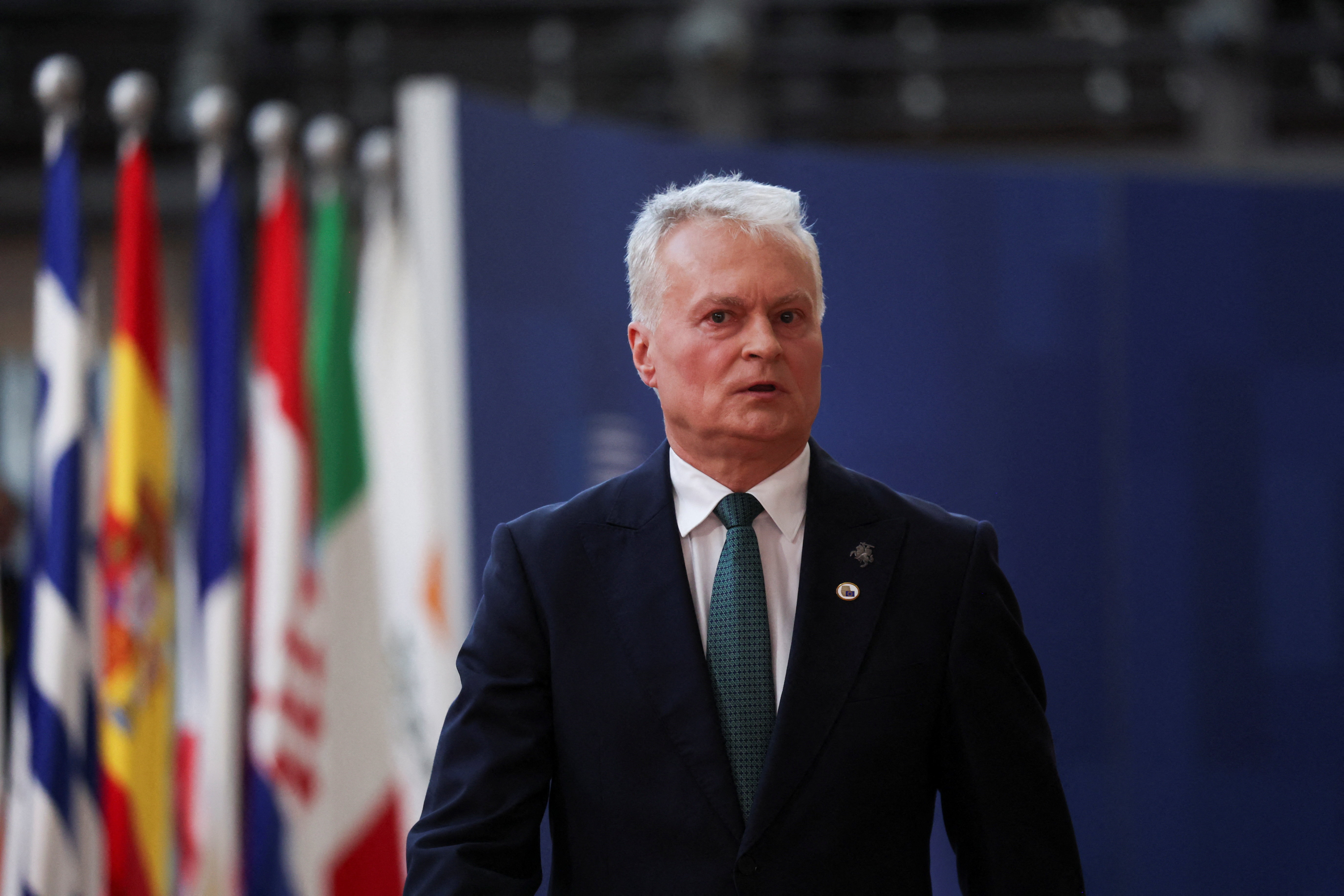
Lithuania’s parliamentary parties have agreed on a plan to lift a constitutional ban on nuclear weapons and foreign military bases in the Baltic nation.
Amidst heightened geopolitical tensions in Europe, particularly with Russia's ongoing aggression, Lithuania perceives an increased threat to its sovereignty and security, prompting a re-evaluation of its defense posture.
This move by Lithuania signifies a potentially dramatic shift in national defense strategies within NATO's eastern flank and could ripple through alliance doctrines regarding nuclear deterrence and military base deployments.
Lithuania would be legally able to host nuclear weapons and foreign military bases on its soil, fundamentally altering its defense capabilities and potentially setting a precedent for other nations in the region.
- · NATO's eastern flank
- · Lithuanian defense sector
- · Nuclear-armed states
- · Russia
- · Advocates for nuclear disarmament
- · Regional stability without deterrence
Lithuania initiates legal and logistical preparations to accommodate foreign military bases and potentially nuclear weapons.
Other NATO frontline states consider similar constitutional amendments, leading to a more forward-deployed nuclear deterrent posture within the alliance.
The proliferation of nuclear weapon hosting states within NATO leads to a recalibration of global nuclear arms control treaties and a reassessment of international disarmament efforts.
This signal links to a primary source. Continuum Brief monitors and indexes it as part of the live intelligence stream — we do not republish source content.
Read at Defense News