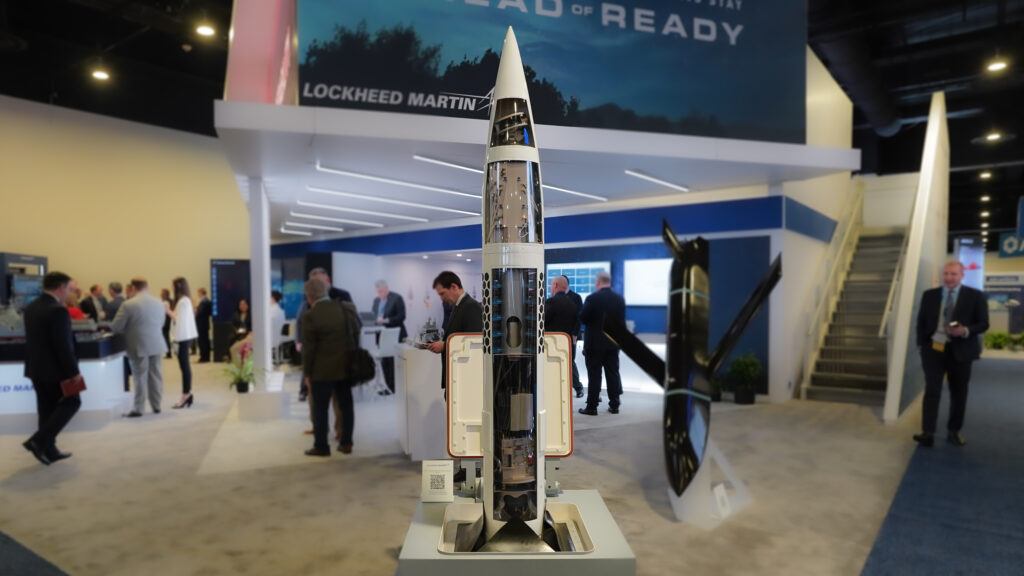
“What does a THAAD air defense interceptor have in common with Corvette?” Lockheed COO Frank St. John said. “Both of them are highly engineered, both of them are precision manufactured, both of them have broad and diverse supply chains, and both of them are produced at rate.”
The partnership emerges as Western defense industrial bases are under pressure to increase production rates for munitions and other critical defense articles, driven by ongoing conflicts and geopolitical tensions.
This collaboration between a traditional defense prime and an automotive giant signals a strategic effort to leverage commercial manufacturing prowess for defense production, potentially accelerating recapitalisation efforts.
The defense sector is now more actively exploring and implementing partnerships with commercial industries, moving beyond traditional defense contractors to solve production challenges and achieve greater scale.
- · Lockheed Martin
- · GM Defense
- · US Defense Industrial Base
- · Munitions Manufacturers
- · Traditional defense suppliers unable to scale
- · Adversaries relying on attrition-based warfare
Lockheed and GM will collaborate on production methodologies and supply chain optimization for defense systems.
Other defense primes may seek similar partnerships with commercial industrial giants to meet increased production demands and improve efficiency.
The integration of commercial manufacturing techniques could significantly reduce the cost and accelerate the delivery of defense assets, altering the economics of military procurement and readiness.
This signal links to a primary source. Continuum Brief monitors and indexes it as part of the live intelligence stream — we do not republish source content.
Read at Breaking Defense