Lockheed Martin Delivers First Integrated Combat System Enabled Baseline, Advancing Rapid, Scalable Capability for the U.S. Navy
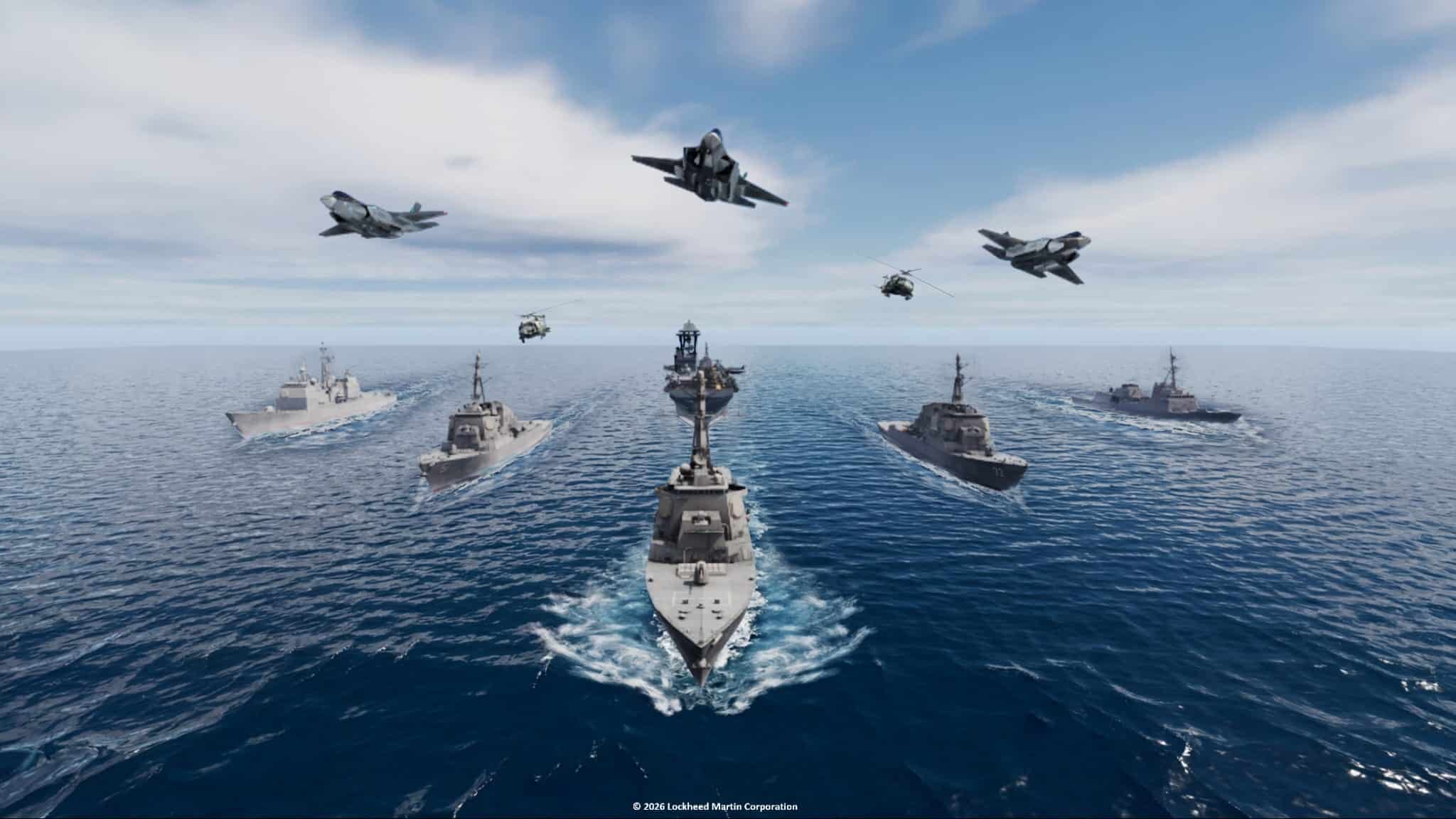
Lockheed Martin has successfully delivered the first Integrated Combat System (ICS)-enabled baseline to the U.S. Navy. Lockheed Martin press release ICS-enabled baselines combine heritage combat system capability with modern infrastructure, driving rapid proliferation of capability through a singular development effort at scale. Working with the Navy and industry partners, this marks the start of a ... The post Lockheed Martin Delivers First Integrated Combat System Enabled Baseline, Advancing Rapid, Scalable Capability for the U.S. Navy appeared first on Naval News .
The delivery marks a crucial step in the U.S. Navy's ongoing efforts to modernize its combat systems through integrated, scalable solutions, reflecting a broader trend towards modularity and software-defined capabilities in defense.
This development indicates a tangible advancement in the U.S. Navy's ability to rapidly integrate and scale combat capabilities across its fleet, enhancing operational agility and reducing long-term development costs.
The adoption of ICS-enabled baselines shifts the paradigm towards a more modular, software-centric approach to naval combat systems, allowing for faster deployment of new features and more efficient updates.
- · Lockheed Martin
- · US Navy
- · Defense Software Industry
- · Traditional hardware-centric defense contractors
- · Adversaries with less integrated systems
The delivery enables quicker updates and integration of new technologies into naval combat systems.
This framework could set a standard for future international defense collaborations and system designs due to its inherent scalability.
It might accelerate the obsolescence of older, proprietary combat systems, pushing a consolidation within the defense tech sector.
This signal links to a primary source. Continuum Brief monitors and indexes it as part of the live intelligence stream — we do not republish source content.
Read at Naval News