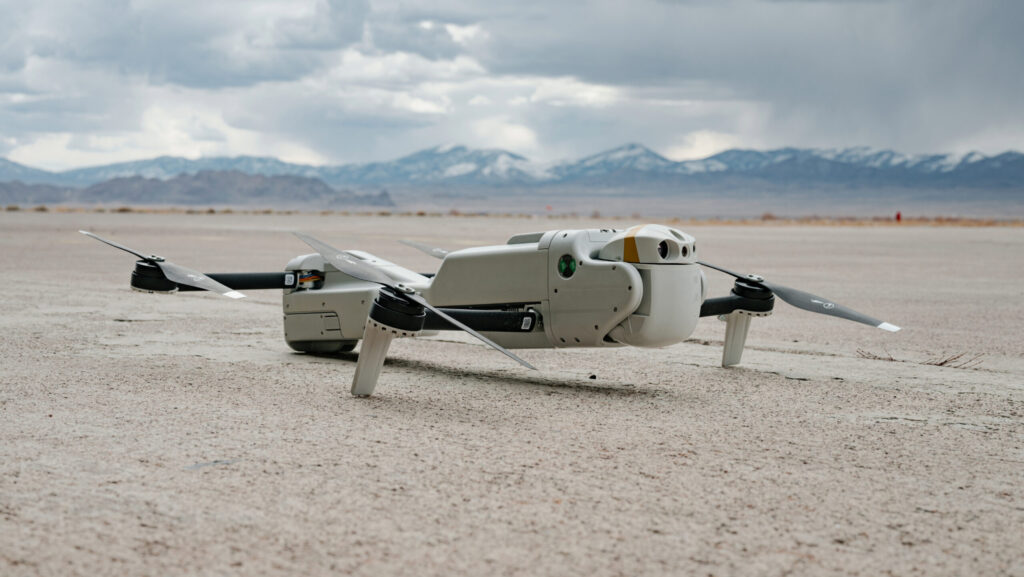
“The [Rogue 1] Block 2 upgrade leverages user feedback to greatly enhance performance, resilience, and operational capability, all while maintaining existing form-factor,” a Teledyne FLIR statement read.
The proliferation and maturation of drone and loitering munition technologies are demonstrated at events like SOF Week, reflecting ongoing shifts in modern warfare, especially after lessons from recent conflicts.
This highlights the increasing integration of autonomous and semi-autonomous systems into military doctrines, impacting procurement, training, and strategic planning for advanced militaries.
The operational capabilities and deployment of loitering munitions and launched effects are being significantly enhanced through user feedback, making them more resilient and effective in diverse combat scenarios.
- · Defence Tech companies (e.g., Teledyne FLIR)
- · Modern militaries adopting advanced drone warfare
- · Special Operations Forces
- · Traditional manned aviation platforms
- · Forces reliant on legacy air defense systems
- · Defence contractors slow to innovate in autonomy
Increased investment in the development and production of advanced loitering munitions and launched effects will occur.
This will drive a strategic re-evaluation of air defense systems and doctrines to counter swarm attacks and autonomous threats.
The widespread adoption of these systems could lead to a significant change in the cost-effectiveness of air power, potentially democratizing aerial strike capabilities further.
This signal links to a primary source. Continuum Brief monitors and indexes it as part of the live intelligence stream — we do not republish source content.
Read at Breaking Defense