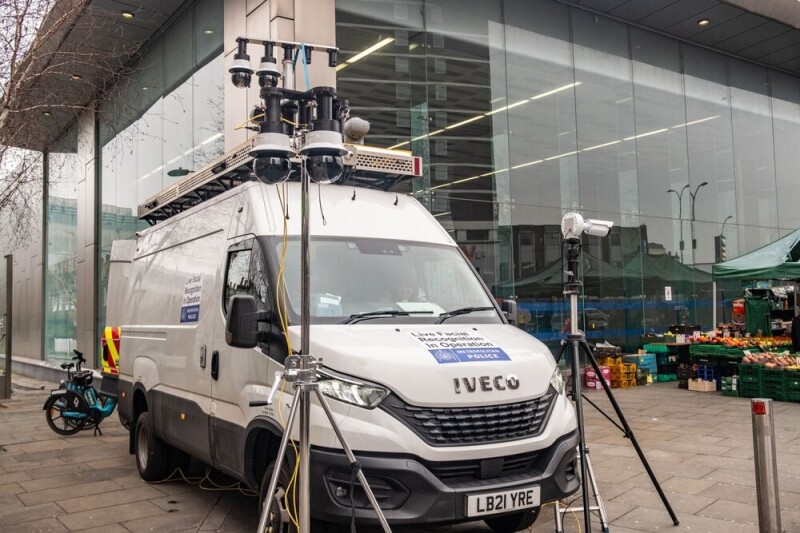
'Permanent biometric surveillance of the public square' incompatible with policing by consent, say critics
The deployment of live facial recognition in a prominent public space reflects increasing technological capability and a growing comfort level from law enforcement in utilizing such systems, despite public outcry.
This event signifies a critical step towards pervasive state-sponsored biometric surveillance in Western democracies, raising profound questions about privacy, civil liberties, and the social contract.
The operational use of live facial recognition moves from theoretical debate to practical implementation, directly impacting public freedom of movement and perceived anonymity in urban centers.
- · Law Enforcement
- · Surveillance Technology Providers
- · Governments
- · Civil Liberties Advocates
- · General Public Privacy
- · Privacy-focused Tech Companies
Increased public and political debate over the ethics and legality of pervasive biometric surveillance.
Potential for increased social friction and protests in areas where these technologies are deployed, leading to contested public spaces.
The normalization of live biometric tracking could diminish expectations of privacy, paving the way for more integrated and extensive digital identity systems linked to real-world movements and activities.
This signal links to a primary source. Continuum Brief monitors and indexes it as part of the live intelligence stream — we do not republish source content.
Read at The Register