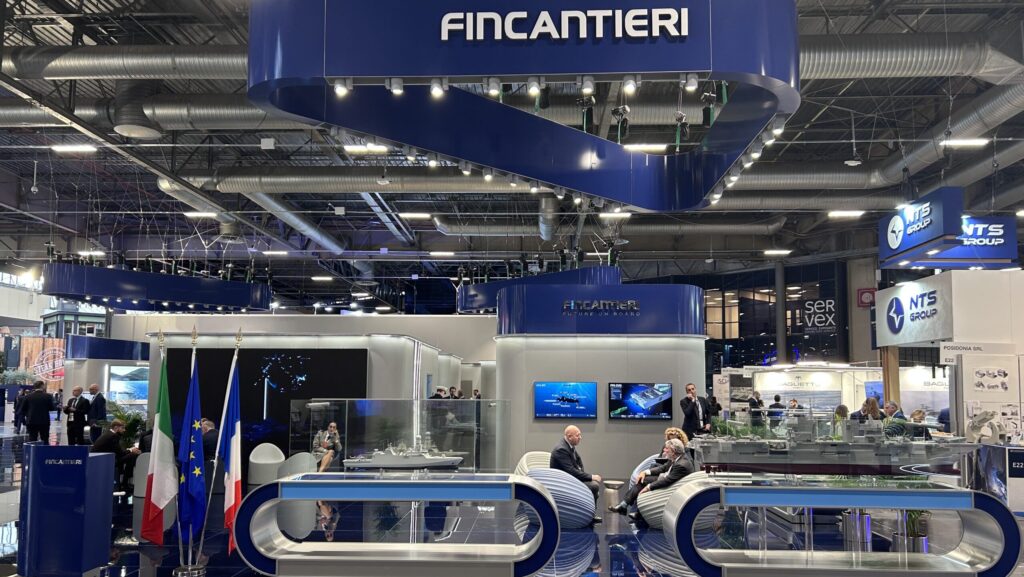
Fincantieri CEO Pierroberto Folgiero also touched on several other topics during a closed-door roundtable, including lessons learned from the war in Ukraine regarding naval drones and the future of a common European patrol corvette.
The war in Ukraine has highlighted the vulnerabilities of traditional naval power and the need for more resilient, autonomous, and energy-independent fleets, spurring defence innovation.
Exploring nuclear propulsion by a major European shipbuilder signals a potential long-term strategic shift in naval power projection and sustainability for NATO and European navies.
The explicit consideration of nuclear propulsion for naval vessels by a key European builder, alongside lessons from drone warfare, indicates a re-evaluation of future naval doctrines and industrial capabilities.
- · Fincantieri
- · Nuclear power industry
- · European navies focusing on long-range operations
- · Defence tech companies in nuclear and autonomous systems
- · Conventional fuel suppliers
- · Navies reliant solely on traditional propulsion
- · Shipbuilders slower to adapt to advanced propulsion
Increased R&D investment and collaboration in nuclear marine propulsion and autonomous naval systems across Europe.
Potential for a differentiated European naval industrial base, moving towards more independent and advanced defence capabilities.
Broader implications for global naval power balances as advanced propulsion and autonomous systems proliferate beyond traditional nuclear powers.
This signal links to a primary source. Continuum Brief monitors and indexes it as part of the live intelligence stream — we do not republish source content.
Read at Breaking Defense