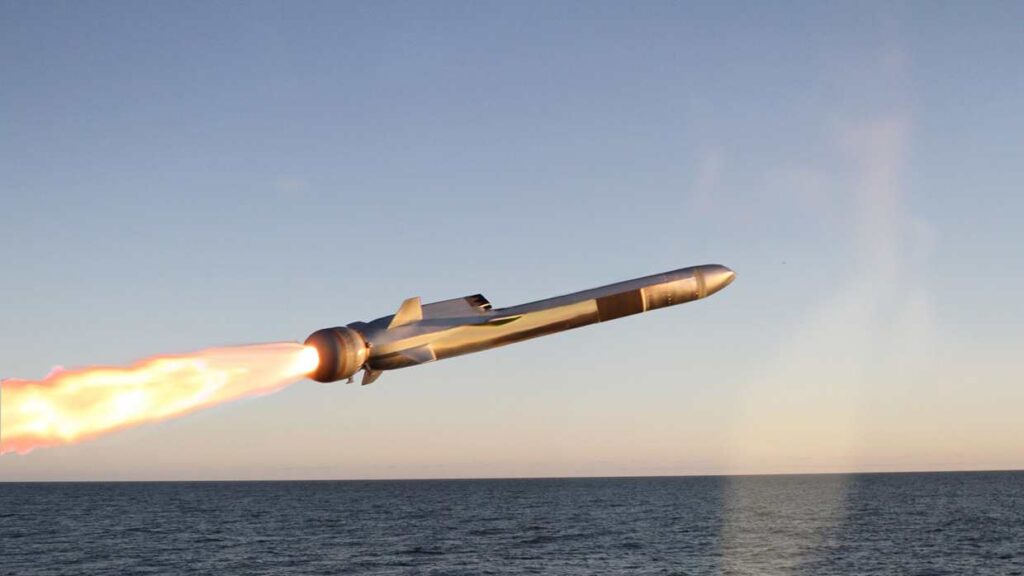
“Norway’s action has created more than just a bilateral contract dispute. It raises a deeply troubling question about whether international agreement and strategic partnership can still be trusted at all,” Malaysian Defense Minister Mohamed Khaled Nordin said at the Shangri La Dialogue in Singapore.
The public condemnation by Malaysia at an international forum highlights increasing geopolitical tensions and the fragility of defense procurement agreements in a rapidly shifting global landscape.
This incident underscores a growing distrust in international partnerships, particularly in critical defense technologies, impacting future military modernization and strategic alignments.
Trust in established defense supply chains and alliance reliability is eroding, forcing nations to reconsider their procurement strategies and diplomatic engagements.
- · Domestic defense industries (non-Western)
- · Nations with independent defense production
- · Alternative arms suppliers
- · Nations reliant on single-source Western defense technologies
- · Norway's defense export reputation
- · International defense cooperation
Malaysia will likely seek alternative missile suppliers, potentially from non-NATO aligned nations.
Other nations may re-evaluate their defense contracts with Western suppliers to diversify risks and ensure supply security.
Increased global fragmentation of defense technology supply chains could emerge, leading to more diverse and less interoperable military systems.
This signal links to a primary source. Continuum Brief monitors and indexes it as part of the live intelligence stream — we do not republish source content.
Read at Breaking Defense