Mercedes posts Tesla-like efficiency hauling 36 tons through a German winter
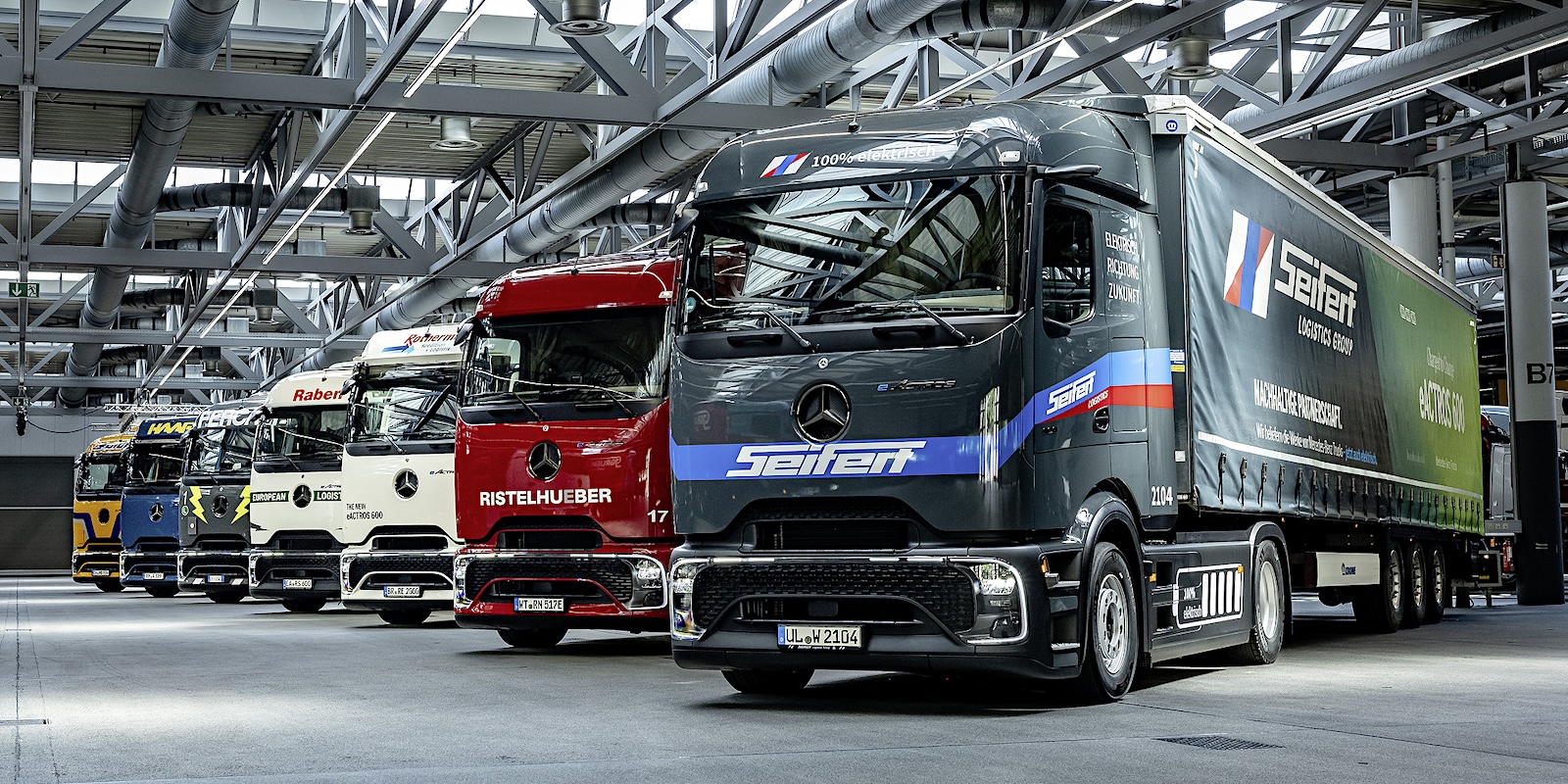
Despite the rapidly growing number of heavy-duty EVs on western roads, a number of myths still persist about range, charging infrastructure, and economic viability. To combat those myths, Mercedes-Benz is sharing real-world data from 80 of its deployed electric semi trucks. Here’s what they found.
The deployment of electric heavy-duty vehicles is maturing, and manufacturers are now collecting and sharing real-world performance data to address lingering skepticism and accelerate adoption.
This data directly confronts myths about EV heavy-duty truck viability, providing empirical evidence that could significantly accelerate the transition away from fossil fuels in logistics.
Perceptions regarding the practical capabilities and economic viability of electric heavy-duty vehicles are now actively being reshaped by verifiable operational data.
- · Mercedes-Benz
- · Electric vehicle manufacturers
- · Logistics companies adopting EVs
- · Charging infrastructure providers
- · Internal combustion engine truck manufacturers
- · Fossil fuel industry
- · Fleet owners highly invested in ICE infrastructure
Increased confidence in electric heavy-duty trucks will stimulate greater investment and faster adoption by logistics companies.
Accelerated electrification of logistics will reduce operational costs for shipping, potentially impacting global supply chain economics.
Reduced emissions from heavy transport could lead to significant environmental benefits and shifts in energy policy emphasis.
This signal links to a primary source. Continuum Brief monitors and indexes it as part of the live intelligence stream — we do not republish source content.
Read at Electrek