Microsoft has mostly repaired flaw in Surface hardware that allowed unprotected devices to be bricked by a single packet
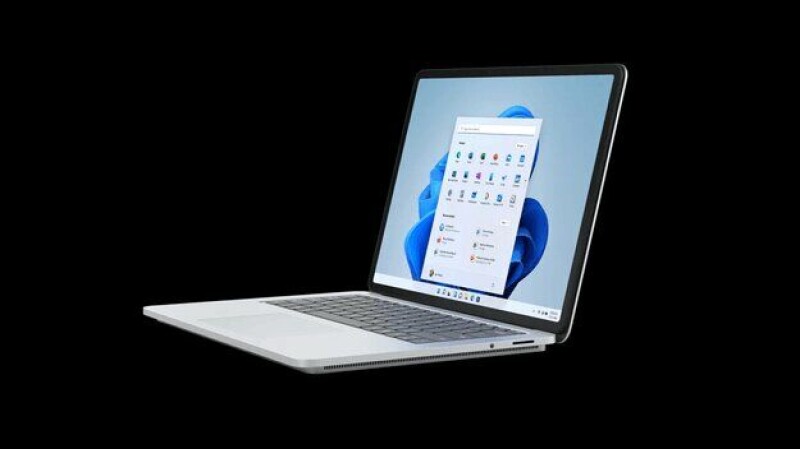
And it was Microsoft Copilot that unwittingly revealed the longstanding vulnerability
The incident highlights the immediate and ongoing risks associated with AI systems revealing vulnerabilities in complex hardware and software ecosystems.
This event underscores the critical need for advanced security protocols and continuous vulnerability management, especially as AI tools become more integrated into development and analysis processes.
The incident compels Microsoft and other major tech companies to re-evaluate how AI tools are used in security analysis and to enhance validation processes before public disclosure or remediation.
- · Cybersecurity research firms
- · Security software vendors
- · Microsoft's security division
- · Microsoft Surface users (initially)
- · Microsoft's brand reputation (briefly)
- · Unaudited AI development practices
Microsoft patches a significant hardware flaw in its Surface devices, averting widespread bricking.
Companies will increasingly scrutinize the security implications of using AI in vulnerability detection and disclosure workflows.
The development of 'red-teaming' AI models specifically designed to find and exploit vulnerabilities may accelerate, leading to an AI-driven security arms race.
This signal links to a primary source. Continuum Brief monitors and indexes it as part of the live intelligence stream — we do not republish source content.
Read at The Register