Microsoft Surface Laptop Ultra weilds Nvidia's RTX Spark superchip with 128GB of RAM, 20 Arm CPU cores, and a Blackwell GPU — 15-inch mini-LED PixelSense Ultra display rounds out the powerful package
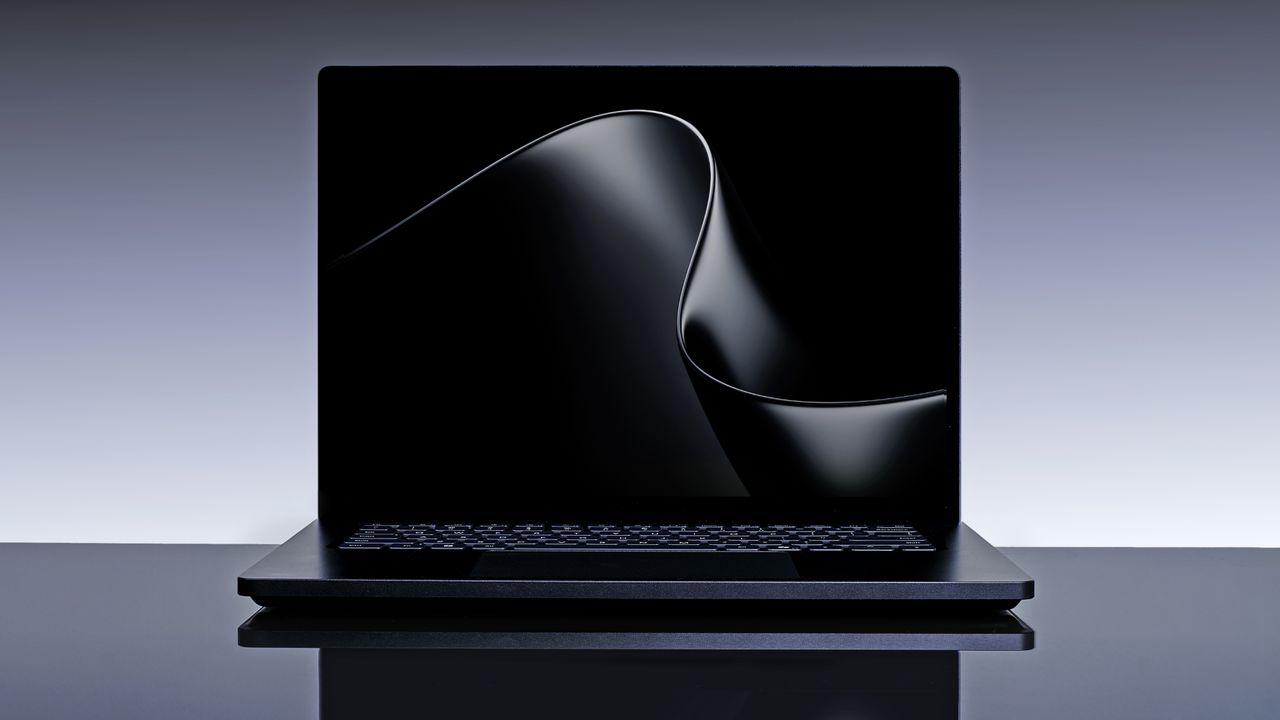
Powered by Nvidia's RTX Spark Superchip, the Surface Laptop Ultra features 20 Arm CPU cores, 6,144 CUDA cores, and up to 128GB of unified memory
The accelerating pace of AI development and the push for on-device AI capabilities are driving the integration of powerful AI chips into consumer hardware like laptops.
This development signifies the deep integration of advanced AI processing into personal computing, broadening access to high-performance AI beyond data centers and specialized workstations.
Laptops are transforming into AI supercomputing platforms, enabling complex AI tasks locally and potentially reducing reliance on cloud infrastructure for certain applications.
- · Nvidia
- · Microsoft
- · Arm
- · Consumers of AI applications
- · Traditional CPU-centric laptop makers
- · Cloud AI service providers (for certain use cases)
High-performance AI becomes standard on consumer devices, enabling new categories of personal AI applications and services.
Demand for power-efficient, high-performance AI chips will intensify, accelerating innovation in semiconductor design and manufacturing.
The proliferation of on-device AI may introduce new privacy and security challenges, as well as opportunities for decentralized AI models.
This signal links to a primary source. Continuum Brief monitors and indexes it as part of the live intelligence stream — we do not republish source content.
Read at Tom's Hardware