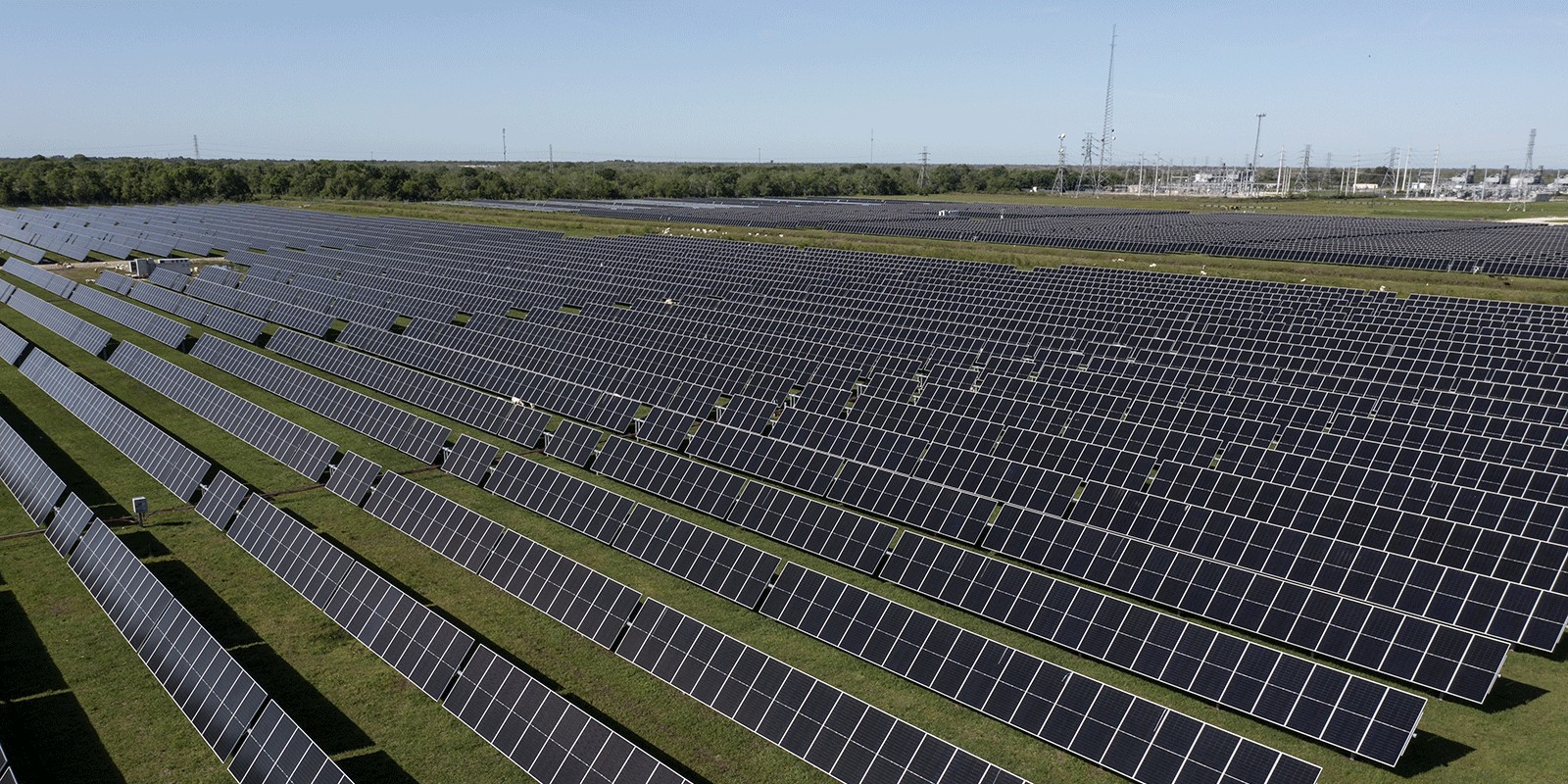
Despite the impression that large solar farms are constantly sparking local fights, a new study from researchers at the University of Massachusetts Amherst found that most large-scale solar projects in the US move forward with relatively little public opposition. more…
This study comes at a time when renewable energy deployment faces increasing scrutiny and public opposition, making empirical data on actual opposition levels particularly relevant.
A strategic reader should care because this challenges a prevalent narrative about public resistance to large-scale solar, potentially easing investment and policy pathways for renewable energy expansion.
The perception of widespread public backlash against large solar projects may shift, leading to more aggressive renewable energy targets and streamlined approval processes.
- · Solar energy developers
- · Renewable energy investors
- · US clean energy sector
- · Electricity consumers
- · Fossil fuel lobbyists
- · Advocates of distributed generation only
- · Local opposition groups (perception)
More large-scale solar projects will likely be proposed and approved with less friction than previously assumed.
This could accelerate the decarbonization of the US grid, increasing energy security and reducing reliance on fossil fuels.
Lower energy costs from abundant solar could spur growth in energy-intensive industries, including data centers and advanced manufacturing, potentially impacting the 'compute_supply_chain' and 'energy_bottleneck' narratives.
This signal links to a primary source. Continuum Brief monitors and indexes it as part of the live intelligence stream — we do not republish source content.
Read at Electrek