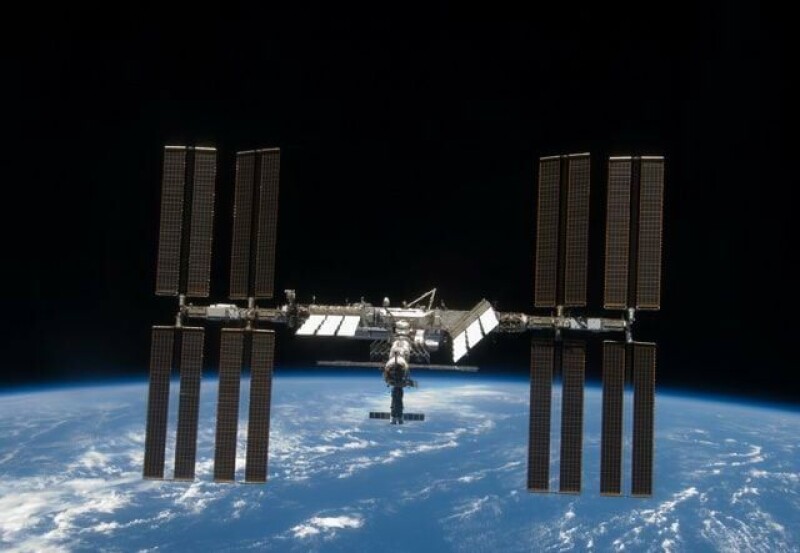
Crew sheltered in SpaceX Dragon as aging Zvezda segment's cracks continue to test orbital nerve
The aging infrastructure of the ISS is reaching its operational limits, and geopolitical tensions are exacerbating challenges in maintaining international cooperation in space.
This incident highlights increasing strain on space collaboration between major powers and raises concerns about the future of shared space infrastructure, impacting scientific research and orbital security.
The rejection of Roscosmos's repair plan by NASA indicates a deepening mistrust and operational divergence between former space partners, potentially accelerating national space initiatives and independent infrastructure development.
- · SpaceX
- · National space agencies (e.g., NASA) investing in independent capabilities
- · Commercial space infrastructure providers
- · Roscosmos
- · International Space Station (ISS) operational lifespan
- · International space collaboration
The incident compels a closer examination and re-evaluation of the ISS's remaining operational viability and safety protocols.
This could accelerate plans for national or private space stations and encourage independent manned spaceflight capabilities to reduce reliance on international partners.
Increased nationalistic approaches to space infrastructure could lead to a 'fragmentation' of low Earth orbit, with separate, potentially less interoperable, orbital platforms.
This signal links to a primary source. Continuum Brief monitors and indexes it as part of the live intelligence stream — we do not republish source content.
Read at The Register