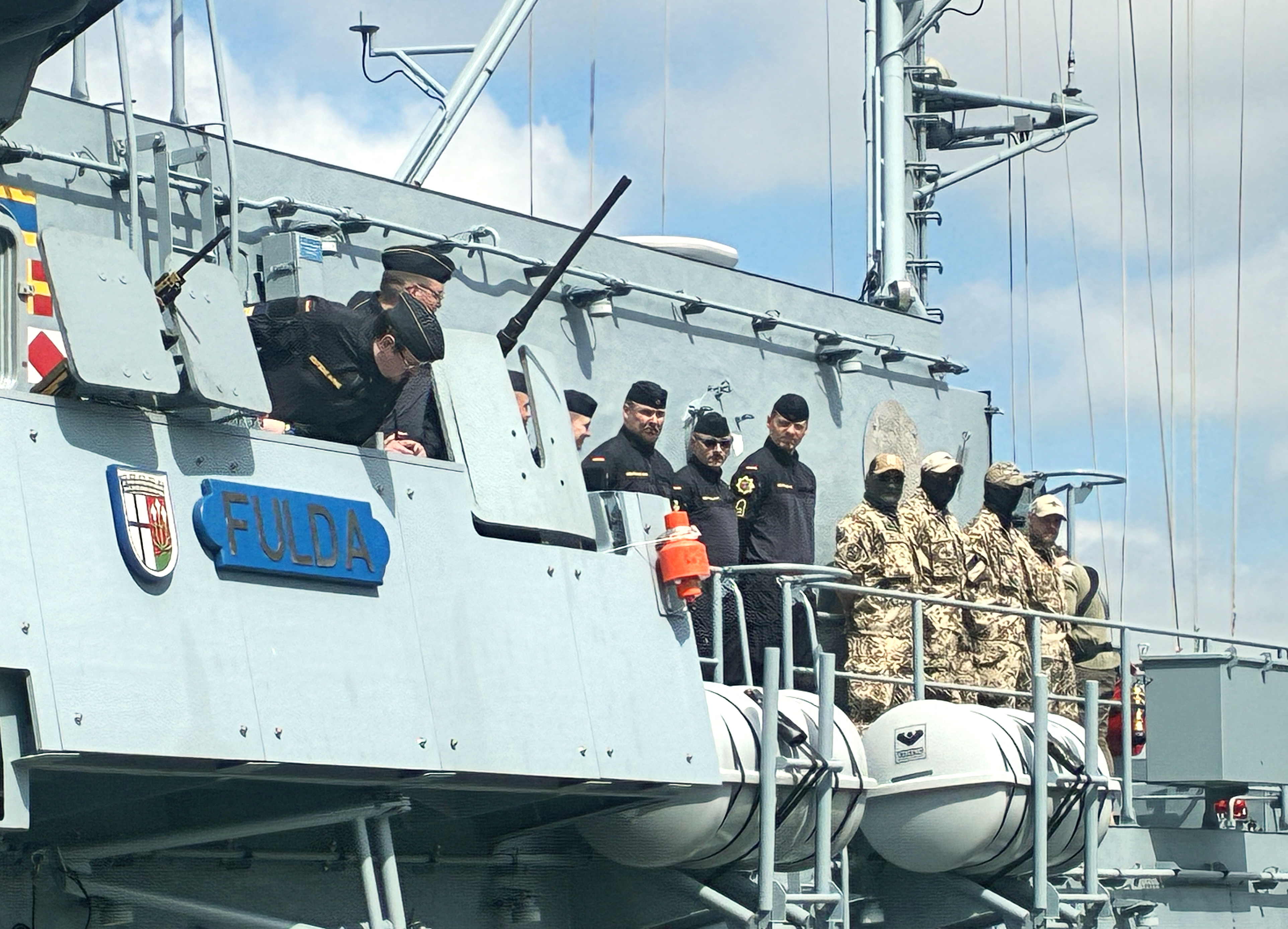
"For much of the last three decades, NATO has operated on the assumption that allied security cannot be defined solely by geography."
The discussion about NATO's role in the Persian Gulf reflects ongoing geopolitical shifts and the need for NATO to adapt its strategic scope beyond its traditional geographical boundaries.
NATO's potential involvement in the Strait of Hormuz signifies an expansion of its operational mandate, directly impacting global maritime security, energy routes, and regional power dynamics.
NATO's conceptualization of allied security is explicitly shifting from a purely geographical defense to a more global and threat-based approach, redefining its operational 'red lines' and areas of interest.
- · NATO's influence and strategic reach
- · Maritime security operations
- · Western defense industry for enhanced deployments
- · Regional destabilizing actors
- · Exclusive national navies in the region
- · Traditionalists within NATO against expansion
NATO's strategic presence in the Persian Gulf increases vigilance and potential deterrence against threats to shipping and energy infrastructure.
An expanded NATO presence may lead to increased friction with regional powers that view it as an encroachment on their sphere of influence.
This could accelerate the formation of new security alliances or counter-alliances in the broader Middle East, altering existing geopolitical alignments.
This signal links to a primary source. Continuum Brief monitors and indexes it as part of the live intelligence stream — we do not republish source content.
Read at Defense News