Naval carrier set to deploy with a drone, while Marines say goodbye to the Harrier
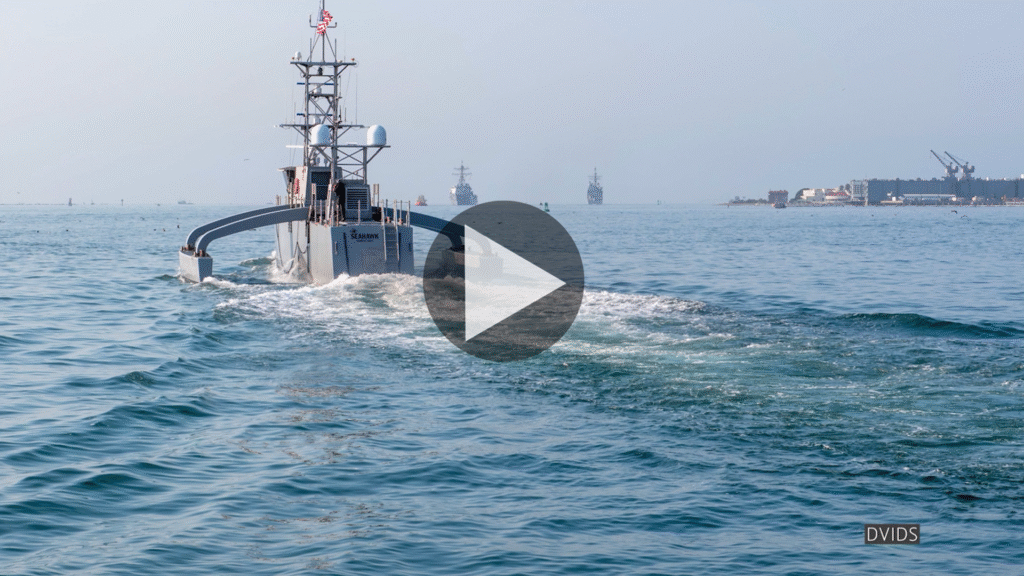
This week on The Break Out, a Seahawk drone is set to join aircraft carrier Theodore Roosevelt, and a legendary aircraft took its final flight.
The US Navy is integrating uncrewed systems into its fleet, while the Marine Corps phases out legacy platforms like the Harrier, aligning with modernization efforts.
This move signals a strategic pivot by the US military towards autonomous systems in naval aviation and a divestment from older crewed aircraft, impacting future warfare capabilities and procurement.
Naval carrier air wings will increasingly incorporate drones, and the Marine Corps will rely on different platforms for close air support and vertical lift.
- · Defence Tech Companies (UAVs)
- · US Navy
- · Autonomous Systems Developers
- · Legacy Fixed-Wing Aircraft Manufacturers (e.g., Harriers)
- · Traditional Manned Aviation paradigms
Theodore Roosevelt will operate with uncrewed aerial vehicles, enhancing reconnaissance and strike capabilities.
Increased demand for drone-related support infrastructure, cybersecurity, and data analysis in naval operations.
Accelerated development and adoption of AI-driven autonomous combat systems across the US military, influencing doctrines and alliances.
This signal links to a primary source. Continuum Brief monitors and indexes it as part of the live intelligence stream — we do not republish source content.
Read at Breaking Defense