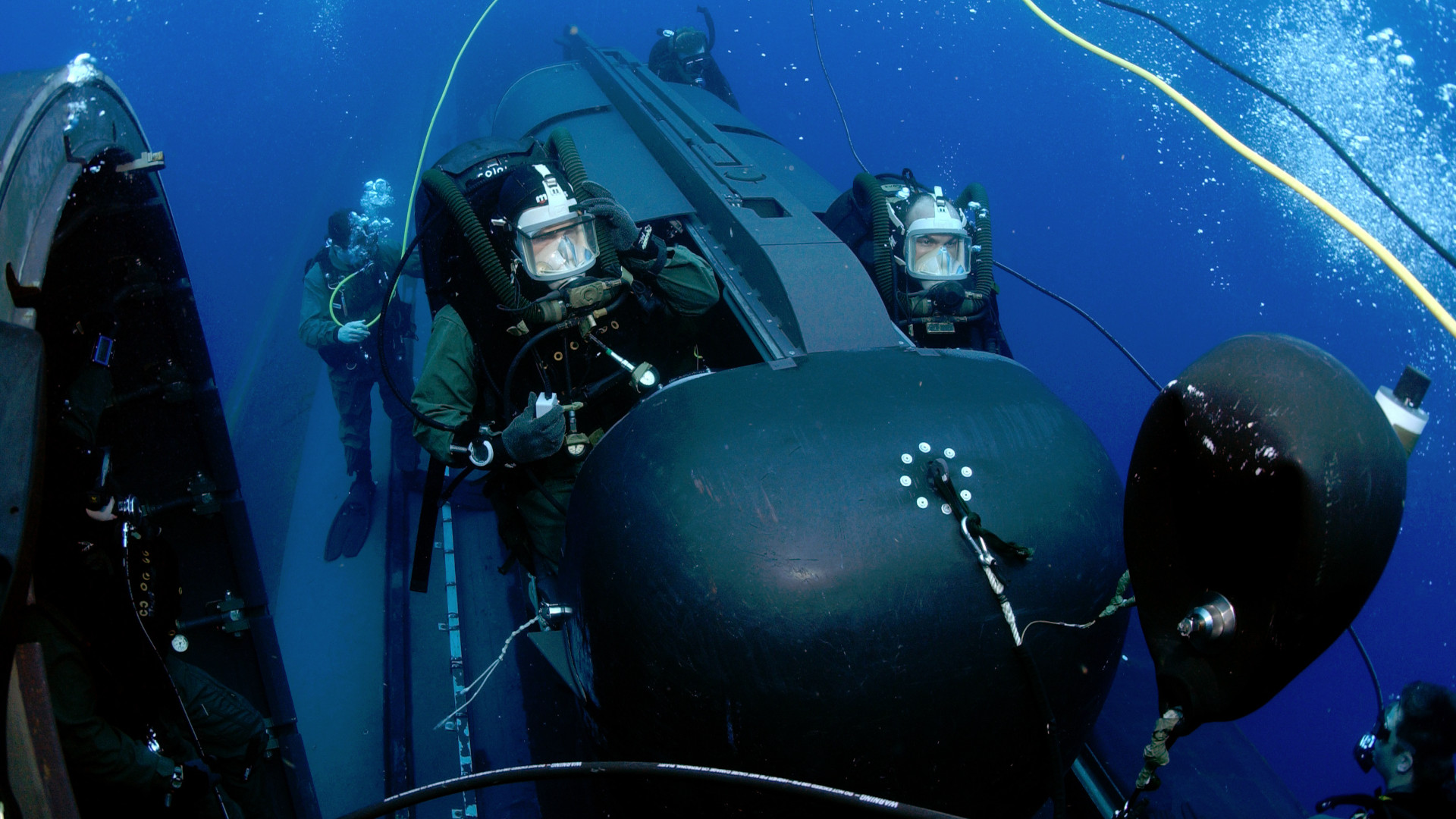
Pairing uncrewed underwater vehicles and SEALs in submersibles opens the door to new operational possibilities, but there are challenges. The post Navy Working On Teaming SEALs In Mini-Submarines With Underwater Drones appeared first on The War Zone .
The accelerating development of autonomous underwater capabilities and the need for enhanced special operations force projection are converging. Advances in UUV technology are making these integrations more feasible and tactically advantageous.
This development represents a significant evolution in naval special warfare capabilities, enhancing stealth, reach, and operational flexibility for high-stakes missions. It signals a broader shift towards integrating autonomous systems with human operators in critical military roles.
Special Operations Forces gain a new paradigm for deployment and reconnaissance, moving beyond traditional submersibles by integrating coordinated autonomous assets. This will redefine tactics for infiltration, intelligence gathering, and littoral operations.
- · U.S. Navy
- · Defence Contractors (UUVs & Mini-Subs)
- · Navy SEALs
- · Special Warfare Units
- · Adversaries with traditional anti-submarine warfare (ASW) capabilities
- · Defence contractors focused solely on legacy manned platforms
Enhanced operational reach and stealth for special operations forces in contested maritime environments.
Increased demand for advanced UUVs and mini-submersible technologies, driving further innovation in underwater robotics and autonomy.
Potential for new doctrines and ethical considerations regarding human-machine teaming in combat, possibly influencing international naval arms control discussions related to autonomous systems.
This signal links to a primary source. Continuum Brief monitors and indexes it as part of the live intelligence stream — we do not republish source content.
Read at The War Zone