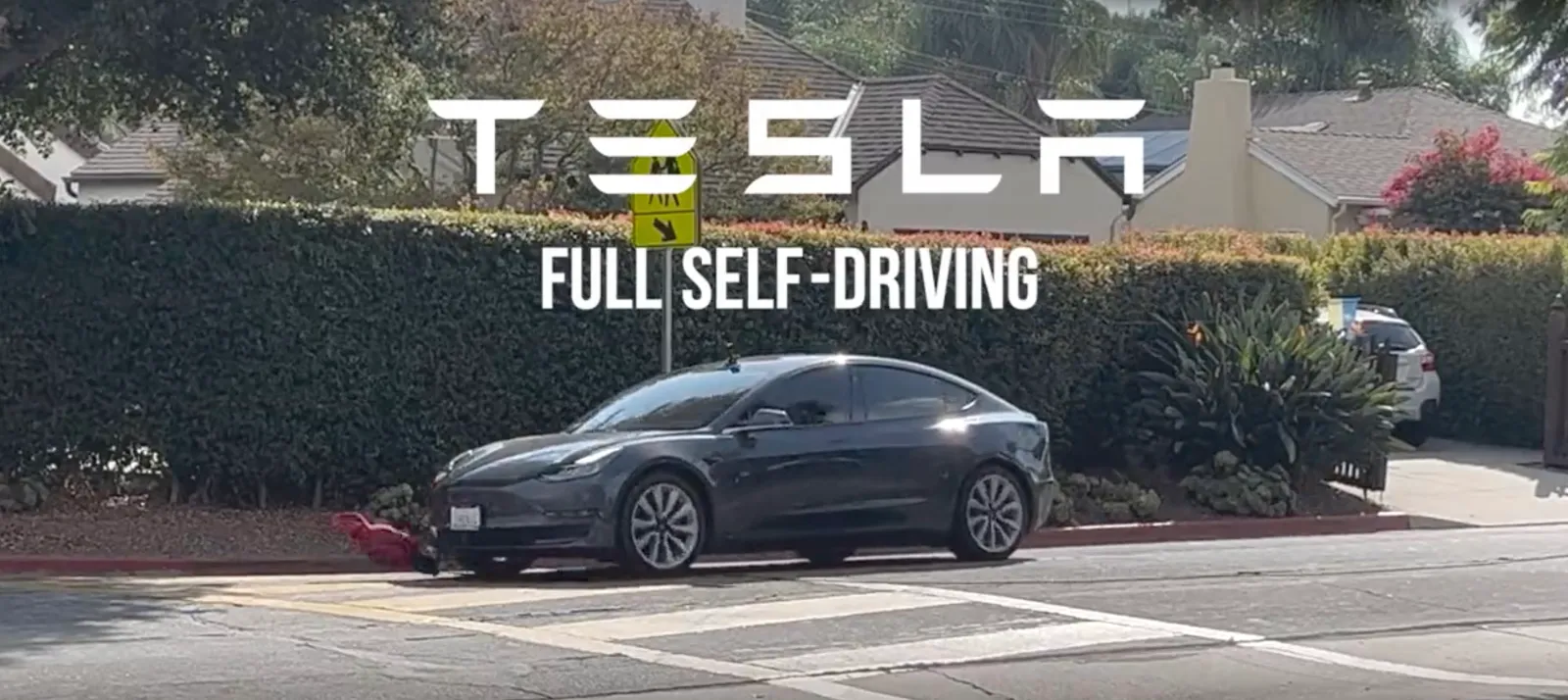
New Jersey lawmakers are advancing a bill that would require driverless commercial vehicles to carry cameras plus two additional sensor types — a mandate Tesla’s camera-only Robotaxi can’t meet. The proposed law, S1677, would effectively lock Tesla out of the most densely populated US state unless it adds the radar and lidar hardware that Elon Musk has spent years insisting his cars don’t need.
States are increasingly grappling with the regulatory challenges posed by autonomous vehicle technology as it approaches commercial deployment, leading to varied legislative approaches.
This development highlights the ongoing struggle to standardize safety regulations for autonomous vehicles and the potential for a fragmented regulatory landscape to hinder wider adoption and competition.
Tesla's camera-only approach to autonomous driving faces significant regulatory hurdles in key markets, potentially forcing a re-evaluation of its hardware strategy or limiting its market access.
- · Waymo
- · Lidar manufacturers
- · Radar manufacturers
- · Traditional AV companies
- · Tesla
- · Camera-only AV development
Tesla's robotaxi deployment in New Jersey will be blocked unless its hardware configuration changes.
Other states may adopt similar regulatory frameworks, creating a patchwork of requirements and increasing development costs for Tesla.
This could lead to a de-facto industry standard for sensor redundancy in commercial autonomous vehicles, favoring multi-sensor fusion approaches.
This signal links to a primary source. Continuum Brief monitors and indexes it as part of the live intelligence stream — we do not republish source content.
Read at Electrek