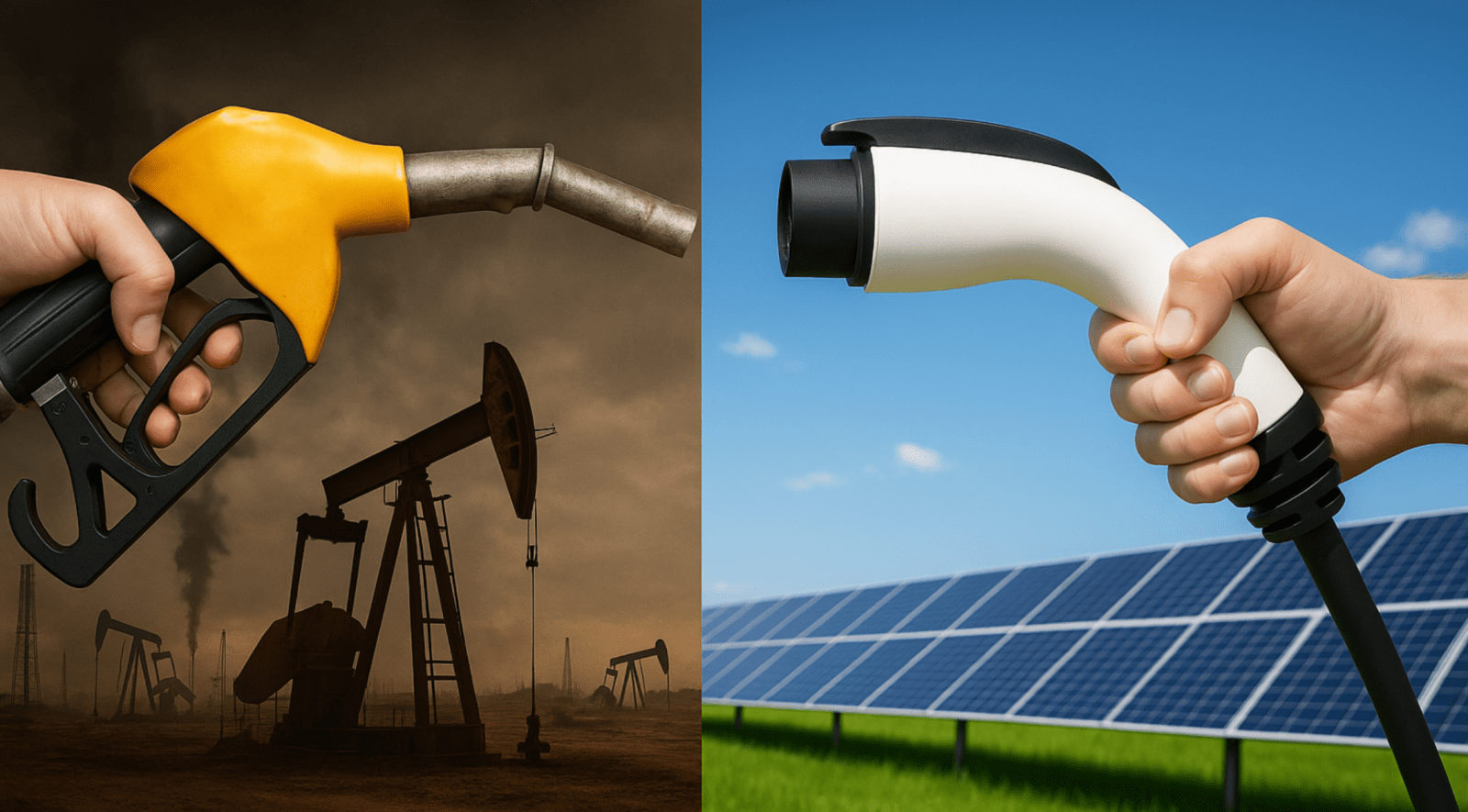
The world could save 8.8 million lives through 2050 with a more ambitious path towards electification, according to a new study by the ICCT, the same organization which blew the whistle on VW’s Dieselgate scandal. And given the scale of death and how avoidable it is, any group that actively works to slow EV adoption is functionally committing mass murder.
The study's publication by a credible organization like the ICCT provides new, quantified evidence supporting the immediate benefits of accelerating EV adoption, particularly in health outcomes, amidst ongoing climate and energy transition debates.
This new data points to a significant uncaptured benefit of rapid electrification, beyond climate goals, by directly linking EV adoption to saving millions of lives, which can reframe policy discussions and public perception.
The explicit quantification of lives saved adds a powerful medical and humanitarian imperative to the economic and environmental arguments for EV adoption, potentially increasing pressure on policymakers and industries to accelerate the transition.
- · EV manufacturers
- · Renewable energy sector
- · Public health organizations
- · Consumers in urban areas
- · Fossil fuel industry
- · Internal combustion engine vehicle manufacturers
- · Regions dependent on oil and gas production
Increased policy support and incentives for electric vehicle purchases and charging infrastructure development will occur.
Accelerated investment in battery technology and grid modernization will be seen to meet increased demand for renewable energy and EV charging.
A shift in national health budgets as air quality improvements reduce respiratory illnesses and associated healthcare costs will unfold.
This signal links to a primary source. Continuum Brief monitors and indexes it as part of the live intelligence stream — we do not republish source content.
Read at Electrek