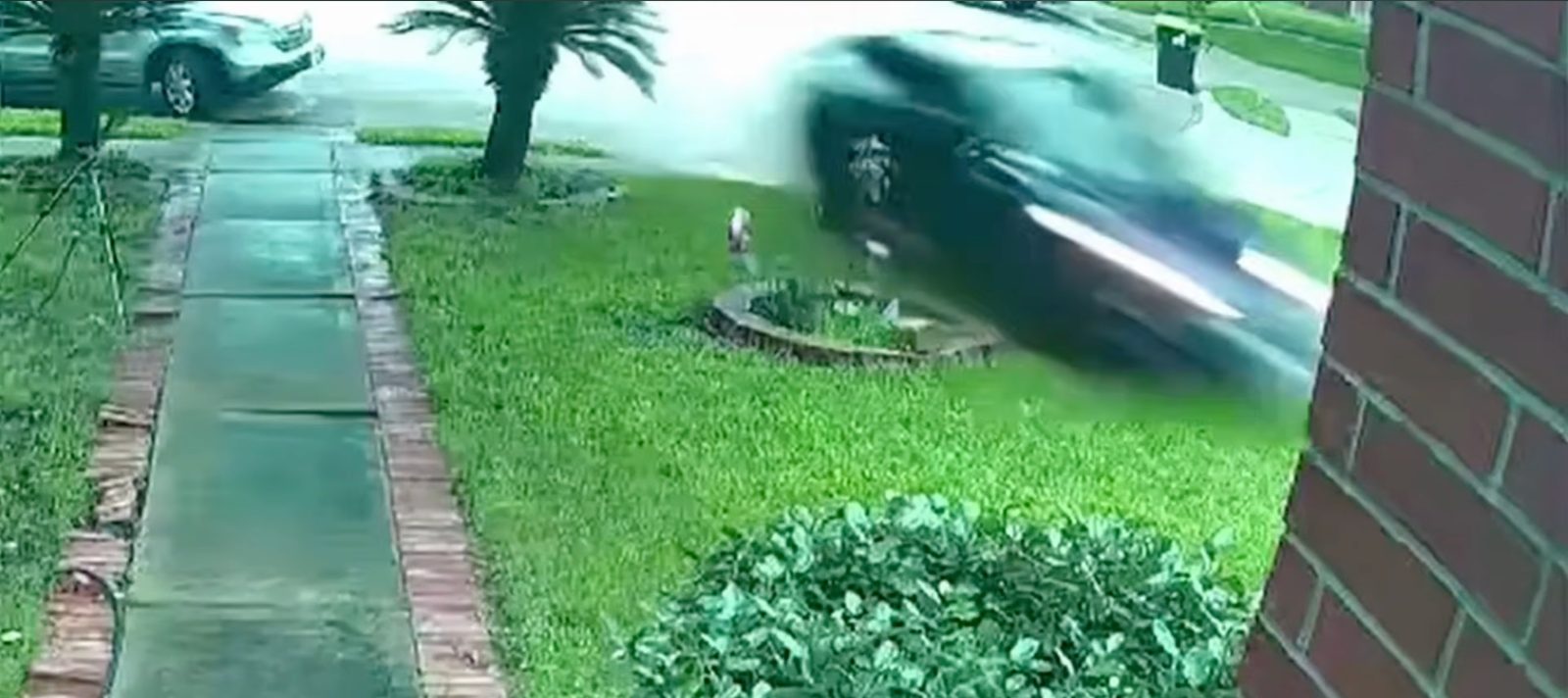
Federal safety regulators are now investigating the fatal Tesla crash in Katy, Texas, where a Model 3 left a residential road, tore through a brick home, and killed a 76-year-old woman inside. The National Highway Traffic Safety Administration said Monday it is examining the June 20 crash, after the driver told deputies his Tesla was on Autopilot at the moment of impact.
This incident occurs as regulators intensify scrutiny of autonomous driving systems amidst increasing real-world deployments and public safety concerns, particularly with claims of Autopilot engagement during accidents.
A strategic reader should care because this event is likely to accelerate regulatory pressures on autonomous vehicle development, impacting timelines, safety standards, and public adoption, as well as influencing legal precedents.
The investigation by NHTSA into a fatal crash involving alleged Autopilot use significantly increases the regulatory and public relations risks for Tesla and other autonomous vehicle developers.
- · Safety advocates
- · Public transportation
- · Human-driven vehicle manufacturers
- · Tesla
- · Autonomous vehicle developers
- · Insurance companies
NHTSA will likely issue new or stricter guidelines for autonomous driving system testing and deployment following this investigation.
Increased regulatory burdens could slow the pace of autonomous vehicle commercialization and potentially increase development costs for companies.
Public trust in fully autonomous systems may erode, leading to a long-term preference for driver-assist features rather than full autonomy.
This signal links to a primary source. Continuum Brief monitors and indexes it as part of the live intelligence stream — we do not republish source content.
Read at Electrek