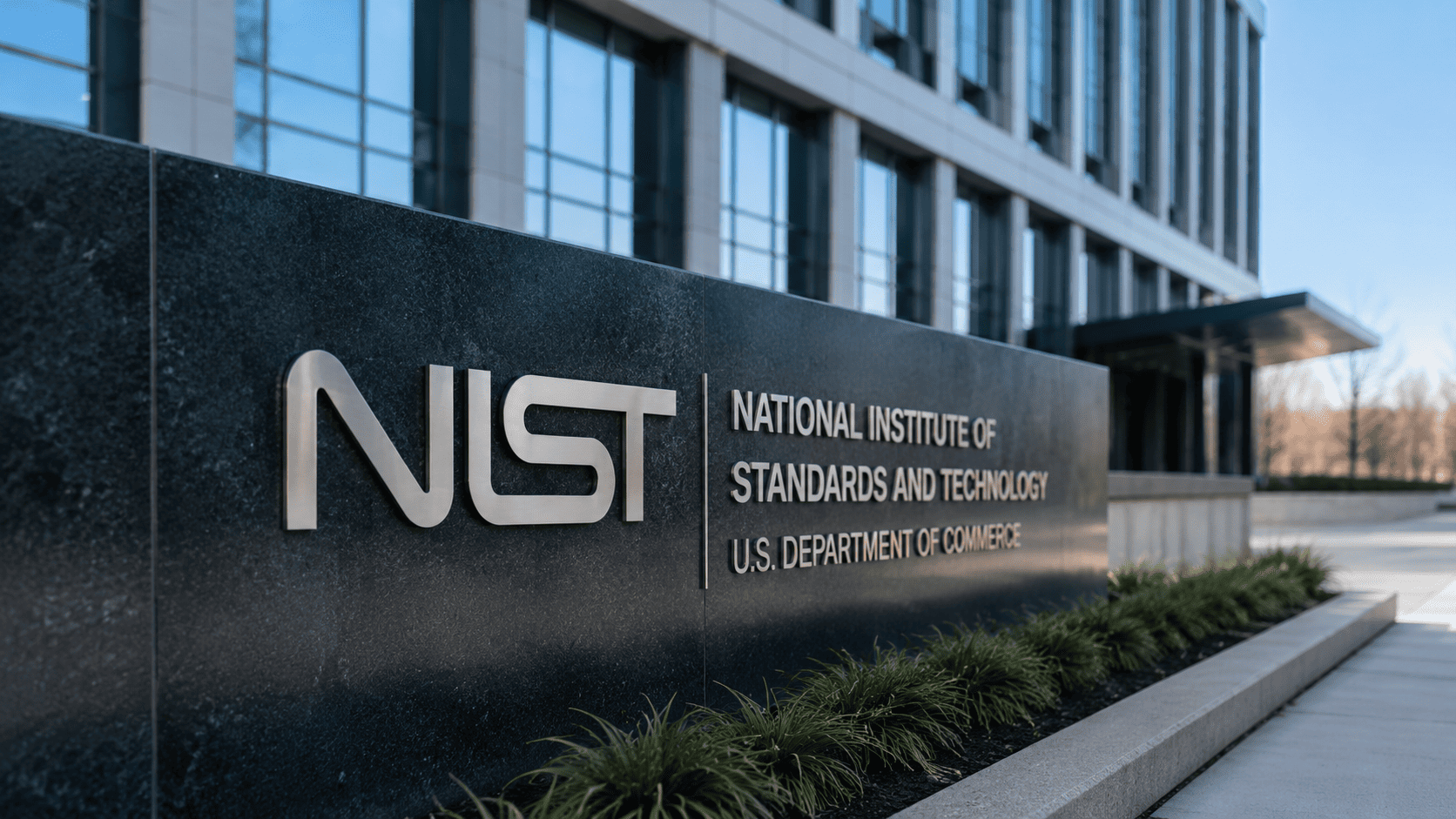
Insider Brief The U.S. government is moving to widen the pool of post-quantum cryptography tools as concerns grow that future quantum computers could eventually break parts of today’s encryption systems. The National Institute of Standards and Technology said it has selected nine digital signature algorithms to advance to the third round of its Additional Digital […]
Concerns about the future capability of quantum computers to break current encryption are increasing, prompting governments to proactively develop and standardize new cryptographic tools.
The standardization of post-quantum cryptography is critical for national security, economic stability, and the protection of sensitive data from future quantum threats.
The move to standardize specific post-quantum signature algorithms initiates a necessary transition period for industry and government to upgrade their cybersecurity infrastructure.
- · Post-Quantum Cryptography Developers
- · National Institute for Standards and Technology (NIST)
- · Governments focused on cybersecurity
- · Entities reliant on outdated encryption
- · Cyber adversaries developing quantum attacks
Further development and implementation of post-quantum cryptography will accelerate, leading to more secure digital communications.
This will drive a significant cybersecurity industry shift, creating new markets for quantum-resistant solutions and expertise.
Nations that successfully implement these standards early could gain a strategic advantage in digital sovereignty and data protection.
This signal links to a primary source. Continuum Brief monitors and indexes it as part of the live intelligence stream — we do not republish source content.
Read at The Quantum Insider