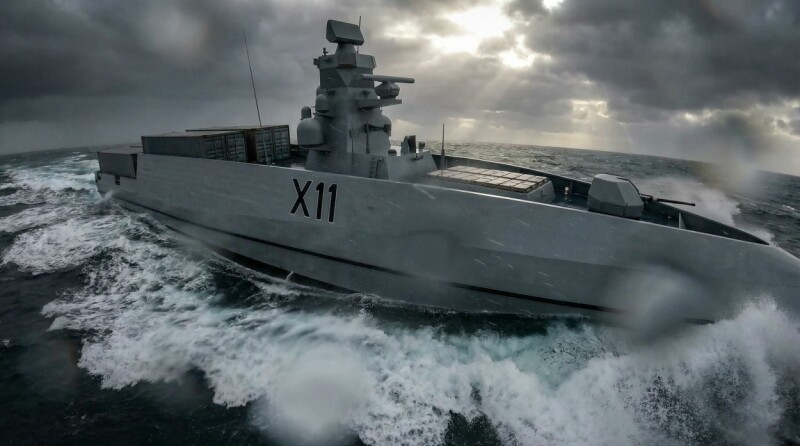
Spanish shipbuilder's 75-meter drone vessel comes with sensors, modular payloads, and no room for sailors
The accelerating development in autonomous systems and drone technology, coupled with heightened geopolitical tensions, is driving nations to invest in crewless military platforms.
This development indicates a shift in naval warfare strategies, emphasizing autonomy and reducing human risk, which has significant implications for defense budgets and capabilities.
The operational cost and risks associated with naval deployments can be significantly altered by the introduction of uncrewed warships, potentially changing global maritime power dynamics.
- · Defense contractors specializing in autonomy
- · Navies adopting crewless technologies
- · Sensor and AI software developers
- · Traditional shipbuilding labor unions
- · Navies reliant on conventional crewed vessels
- · Manual naval operational doctrines
More nations will accelerate their own uncrewed naval vessel development programs.
The definition of naval personnel and required skills will dramatically evolve, prioritizing remote operation and AI management.
International maritime law and rules of engagement will need significant re-evaluation for autonomous weapon systems.
This signal links to a primary source. Continuum Brief monitors and indexes it as part of the live intelligence stream — we do not republish source content.
Read at The Register