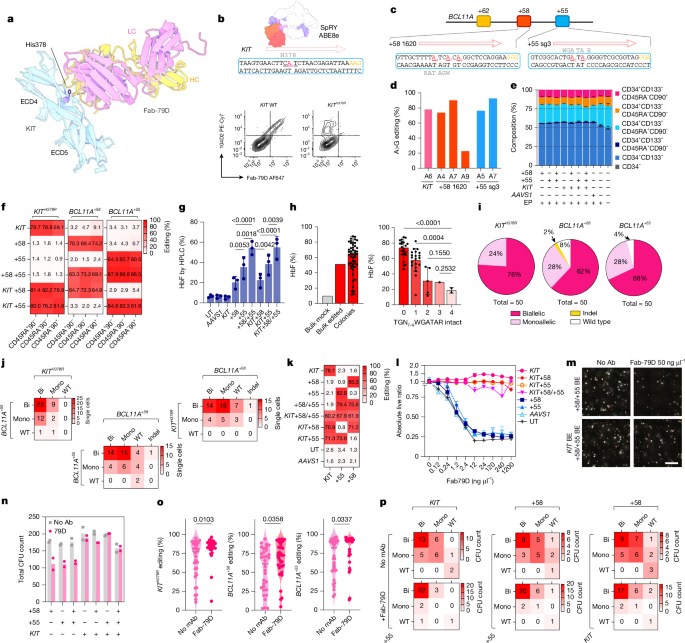
Nature, Published online: 08 July 2026; doi:10.1038/s41586-026-10737-8 Epitope editing of KIT enables antibody-based, non-genotoxic conditioning that selectively enriches therapeutic BCL11A-edited haematopoietic stem/progenitor cells, supports durable engraftment, preserves clonal diversity and enhances induction of fetal haemoglobin, a therapeutic approach for conditions such as sickle cell disease and β-thalassemia.
The convergence of CRISPR-based gene editing and advancements in cell therapy conditioning is enabling less toxic yet highly effective treatments for genetic blood disorders.
This development offers a safer and more effective therapeutic pathway for widespread genetic diseases, reducing patient burden and expanding the scope of treatable conditions.
The ability to perform non-genotoxic conditioning for cell therapies introduces a significantly safer method for patient preparation, potentially increasing the accessibility and success rates of treatments like gene-edited stem cell transplants.
- · Gene therapy companies
- · Patients with genetic blood disorders
- · Biopharmaceutical sector
- · CRISPR technology developers
- · Traditional chemotherapy providers
- · Pharmaceuticals with less effective treatments for these conditions
Wider adoption and clinical success of gene-edited cell therapies for blood disorders.
Increased investment and R&D into similar non-genotoxic conditioning approaches for other cell and gene therapies.
Potential for gene-editing technologies to become a first-line treatment for a broader range of genetic diseases, shifting paradigms in therapeutic medicine.
This signal links to a primary source. Continuum Brief monitors and indexes it as part of the live intelligence stream — we do not republish source content.
Read at Nature — Latest Research