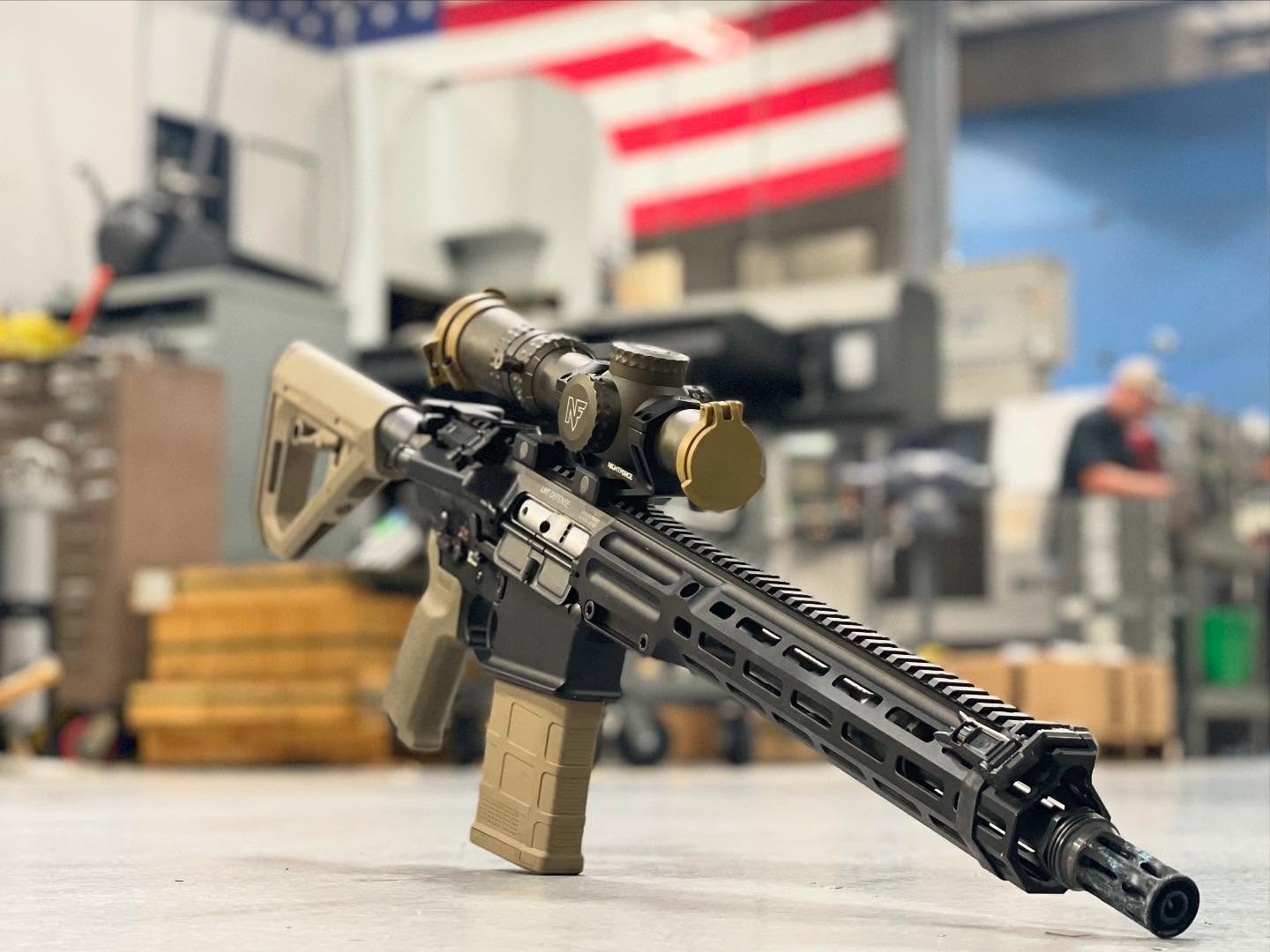
At SOCOM’s request, the rifle features a swappable barrel, allowing operators to change between legacy cartridges and the newer 6.5mm Creedmoor.
The US military continues to modernize its small arms to adapt to evolving threats and battlefield requirements, driven by lessons from recent conflicts and geopolitical landscape shifts.
This development indicates a tangible step towards increased modularity and adaptability in infantry weapon systems, allowing for greater operational flexibility and reduced logistical burden for special operations forces.
Special operations forces will now have a single rifle platform capable of rapidly changing ammunition types and barrel lengths to suit diverse mission parameters without deploying multiple specialized weapon systems.
- · Special Operations Forces
- · Firearms manufacturers focused on modular designs
- · Military small arms R&D
- · Manufacturers of highly specialized, non-modular weapon systems
Operators gain significant tactical advantages through immediate weapon re-configuration for different engagement ranges or target types.
This modular approach could trickle down to general-purpose forces, inspiring broader adoption of adaptable weapon systems across the military.
Reduced training and logistical costs associated with maintaining fewer, more versatile weapon platforms could free up resources for other defense priorities.
This signal links to a primary source. Continuum Brief monitors and indexes it as part of the live intelligence stream — we do not republish source content.
Read at Navy Times