Nvidia and Intel tout homegrown American chip supply chain prowess as country bolsters local production, but gaps remain — crucial Blackwell packaging steps remain offshore as projects grow in scope and scale
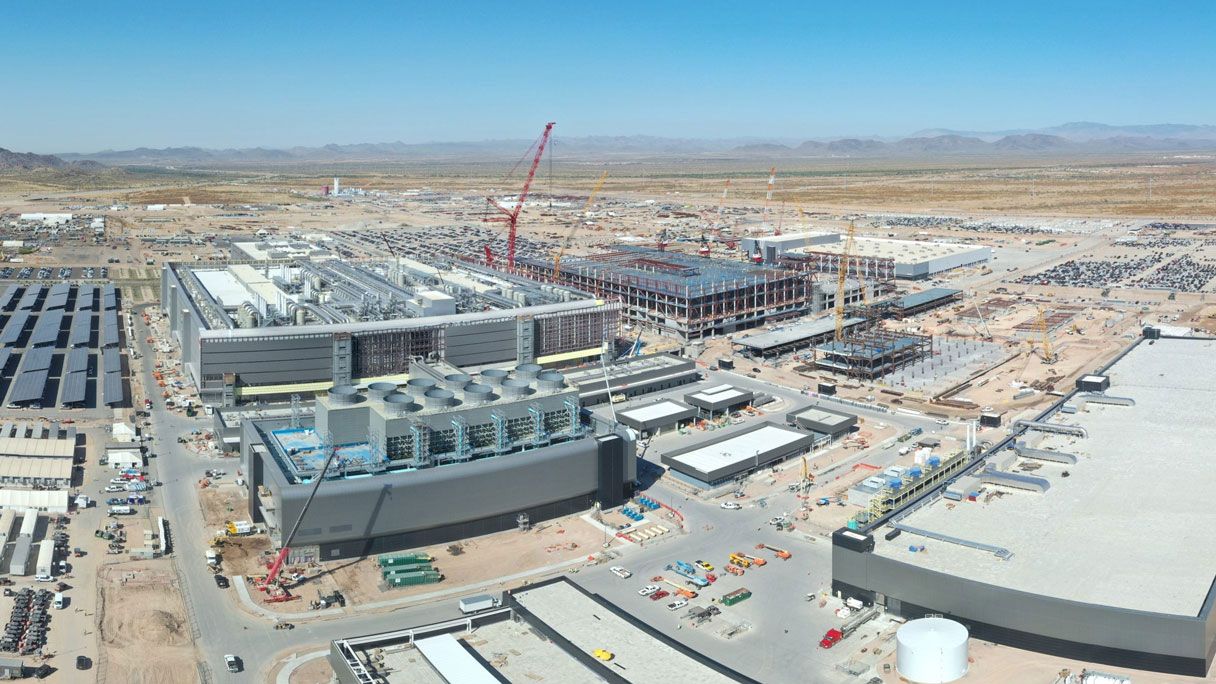
America's AI supply chain now starts and ends in the U.S., while its most valuable middle steps remain entirely offshore until at least 2028.
The US government and major chip companies are publicly highlighting domestic chip production efforts amidst geopolitical competition, spurred by recent legislation and investment drives. This announcement comes as global supply chain vulnerabilities have become a critical national security and economic concern.
A strategic reader should care because the fragmentation and politicization of the global compute supply chain directly impacts future national economic competitiveness, technological leadership, and geopolitical stability, especially concerning advanced AI capabilities. This highlights ongoing efforts to onshore critical components of the AI supply chain.
The narrative around US chip independence is being shaped, emphasizing domestic starting and ending points, but transparently acknowledging persistent offshore dependencies for critical 'middle steps' like advanced packaging until at least 2028. This shifts the focus from a fully onshored chain to a partially onshored, partially de-risked chain, providing a more realistic picture of the timeline for achieving domestic control of the entire chip manufacturing process.
- · US semiconductor industry
- · US government
- · Nvidia
- · Intel
- · Foreign advanced packaging facilities dependence
- · Regions overly reliant on supplying US advanced packaging needs
Increased investment and focus on advanced packaging R&D and manufacturing within the US to close the 'middle step' gap.
Heightened geopolitical competition as other nations accelerate their own domestic chip supply chain initiatives in response to perceived US consolidation of critical components.
The eventual creation of distinct, national or bloc-specific AI hardware ecosystems, potentially leading to diverging technological standards and reduced interoperability in the long run.
This signal links to a primary source. Continuum Brief monitors and indexes it as part of the live intelligence stream — we do not republish source content.
Read at Tom's Hardware